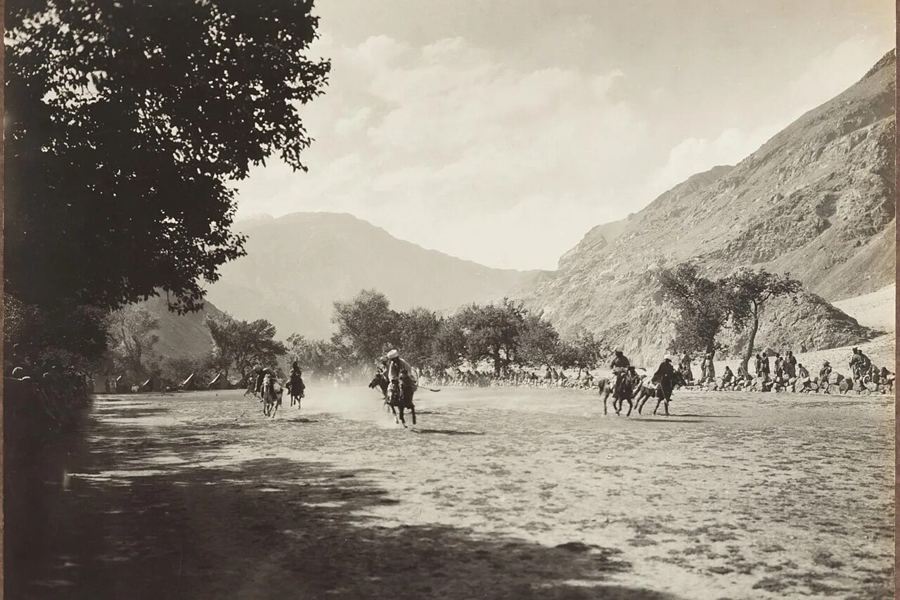
Shandur Polo: Myths on the High Pass
A festival day in stages: tents on the plateau, drums and pipes beside the match, and freestyle polo between Chitral and Gilgit.
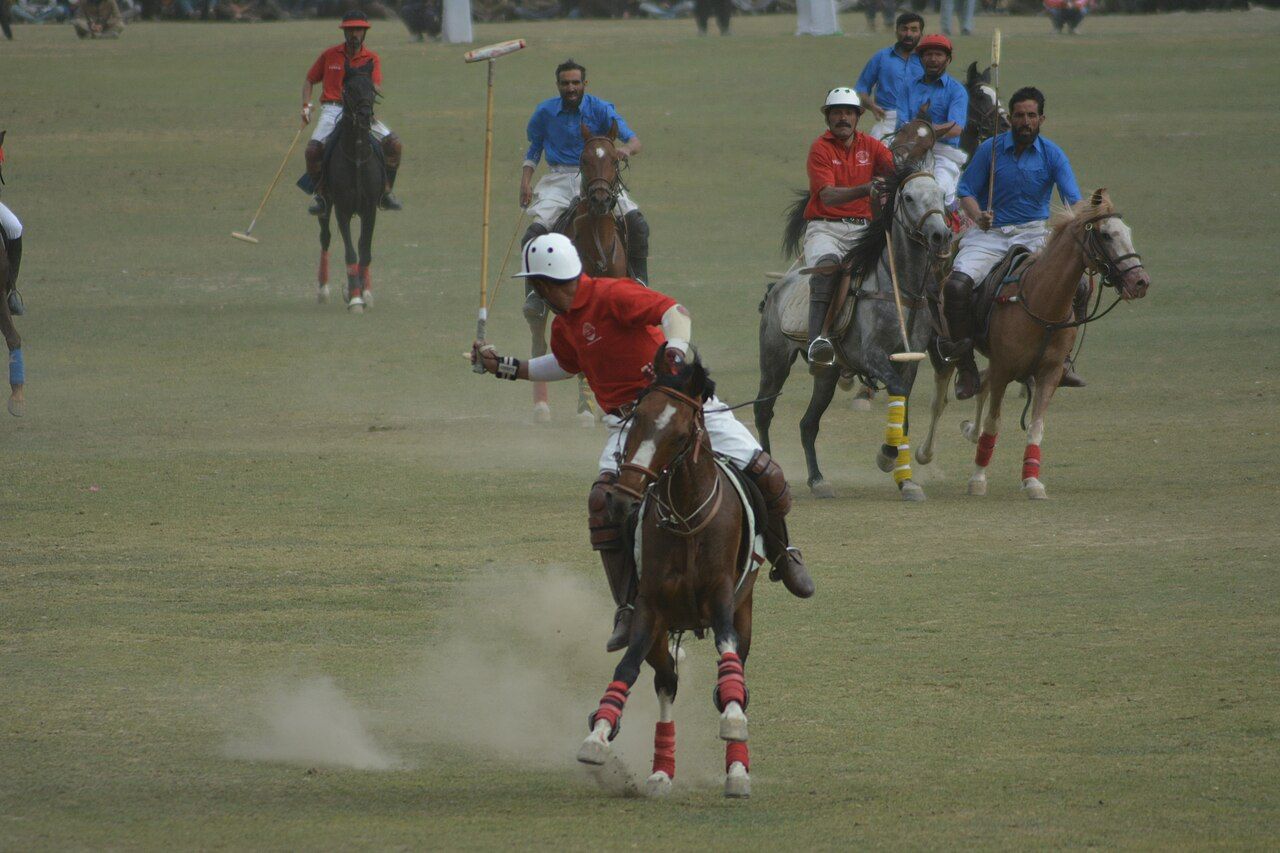 Photo by Ijlalahmed / CC BY-SA source file
Hello,
Is Shandur just a polo match set unusually high? That’s the neat version, and it misses the way the place and the game belong together. The Shandur Polo Festival is held each summer, usually in early July, on a pass in northern Pakistan. The ground lies at about 3,700 metres and is often called the highest polo ground in the world. Even the most compact description needs a bit of room.
Myth: the day is only about the match. In truth, there’s a plateau around the ground, tents pitched across it, and Shandur Lake beside the polo ground. Visitors sleep in those tents. The setting isn’t a backdrop you leave behind while the game happens; the festival takes place across this open plateau. I like that the description stays plain: ground, lake, tents, pass. No need to embroider it.
What happens before the match?
Myth: it’s a ground that could be reached throughout the year. In truth, Shandur Pass is snowbound for much of the year and reachable by road only in summer. The festival’s usual early-July timing sits in that short summer opening. The mountain setting isn’t decoration; it governs what can be reached and when.
That’s the first part of the day, then: the plateau and the ground, with the tents spread around it. There isn’t a timetable here to pretend to know, or a set hour for people to arrive. The useful order is simpler. The place first; then the game that draws the teams and visitors there.
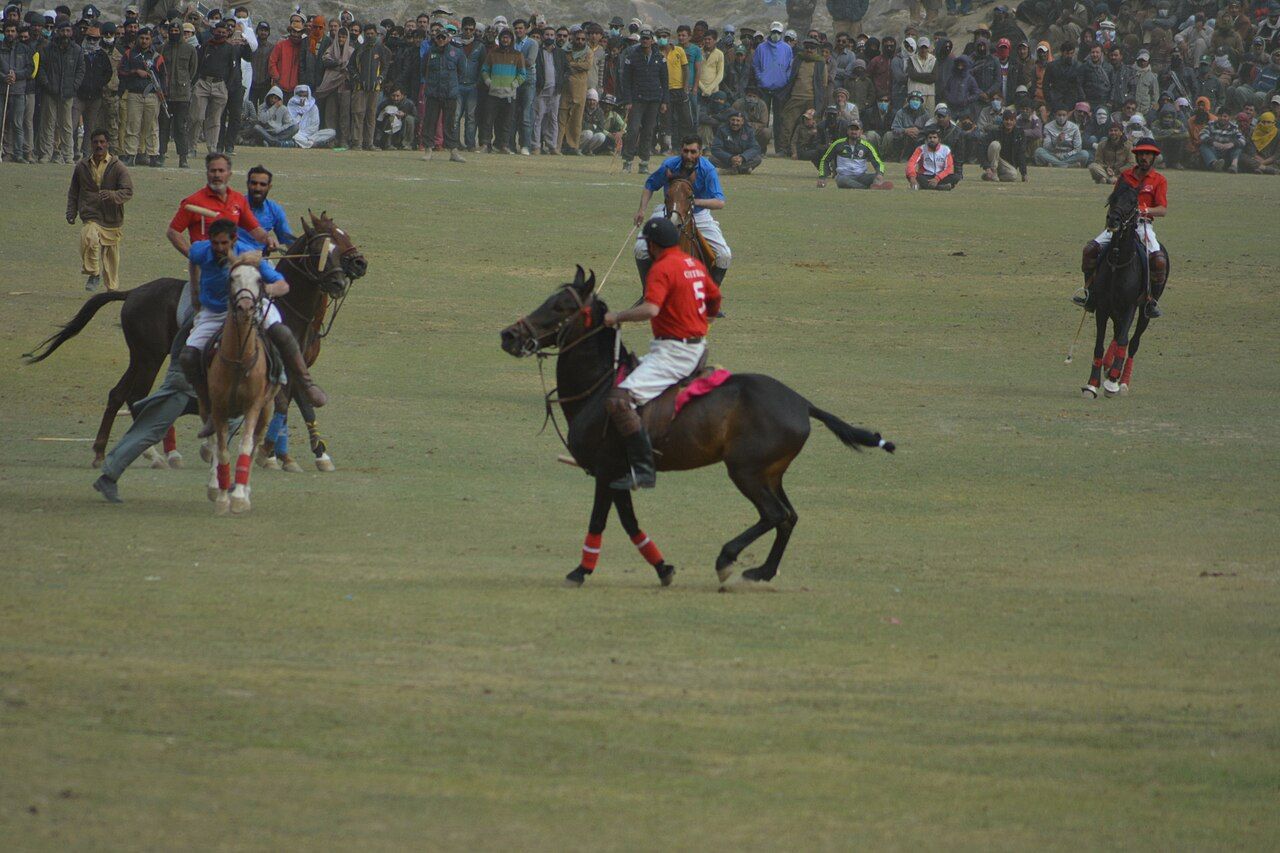 Photo by Ijlalahmed / CC BY-SA source file
Myth: the teams are just two sides picked for the occasion. In truth, the main match is between Chitral and Gilgit, regions on either side of the pass. The names mark the shape of the contest. For a little more on that side of the game, there’s the mountain game in Gilgit.
There’s something satisfying about that pairing. Not a neutral fixture invented for a festival programme, but a match between teams from the two regions either side of Shandur. I’d keep those names in mind as the day moves towards play. Everything else can wait.
What makes the match different?
Myth: mountain polo is simply ordinary polo at altitude. In truth, the game at Shandur is freestyle mountain polo, with few rules and six players a side. That’s a useful distinction, not a promise that every moment can be reduced to a tidy explanation. The match lasts about an hour of play, split by a short break.
About an hour: long enough for the match to have a shape, short enough that the whole thing has a clear edge to it. And there’s music through the play. Local bands with drums and pipes perform during the matches. I’m glad that detail is part of the account; it makes the sound of the festival more than the noise of the game alone.
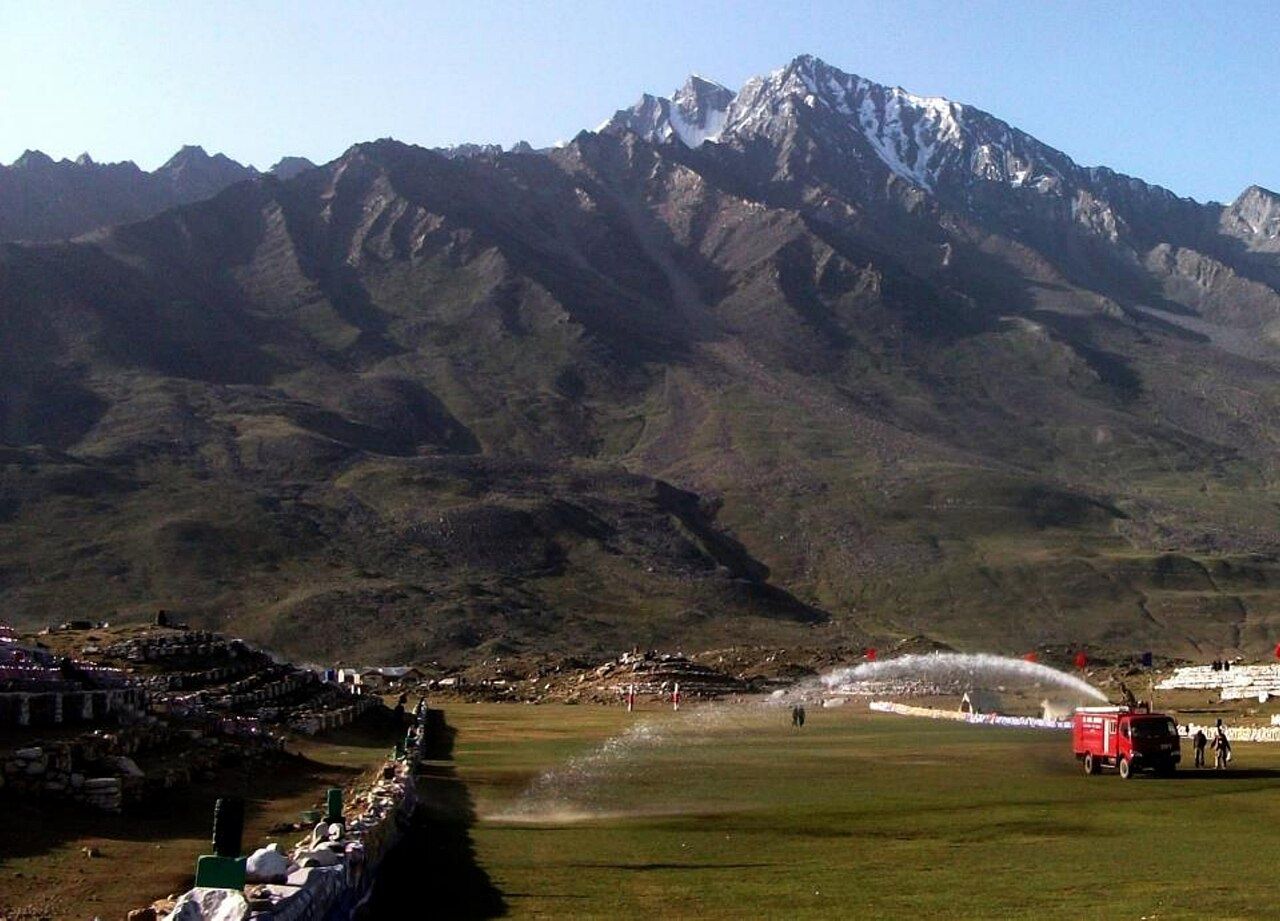 Photo by Khan Khattak / CC BY source file
Here, then, is the middle of the day in its proper order: the teams, the play, the short break, and more play. No need to invent a clock time for any of it. The match is the measure that the facts give us. Six a side; few rules; about an hour, divided by a pause. Direct enough for me.
The match is the measure that the facts give us.
Myth: the ground has always been there. In truth, the polo ground dates to the 1930s, when it was established under Evelyn Hey Cobb, a British political agent. That’s a small piece of history, but it changes the way I picture the day. The high ground isn’t only a natural setting for the match; the polo ground itself was established there. The name Shandur carries both ideas at once: pass and playing ground.
After the match, the day eases towards its last stretch. The tents remain across the plateau, the lake beside the ground, and the pass around it. Then comes the slow walk down. My bad knee has its own strong opinions about descents, so I’d take that part slowly and let the day settle as I go. No grand finish needed; just the ground behind, and the way back down.
The practical facts sit neatly at the end: Shandur is in northern Pakistan; the festival is usually held in early July; the pass is reachable by road only in summer. Visitors sleep in tents pitched across the open plateau around the ground. That’s enough to hold in mind without pretending the day runs by a clock.
Yours, Cal — Shandur’s match sounds best when the mountain and the game are allowed to share the story.
— Cal
Photographs used: Vittorio Sella / PD source file