Polo Season in Jaipur, from 1933 to the 61st Cavalry
A letter from Jaipur, where a celebrated team, the mounted 61st Cavalry and the cooler months bring polo into the same frame as forts, palaces and a very good dish.
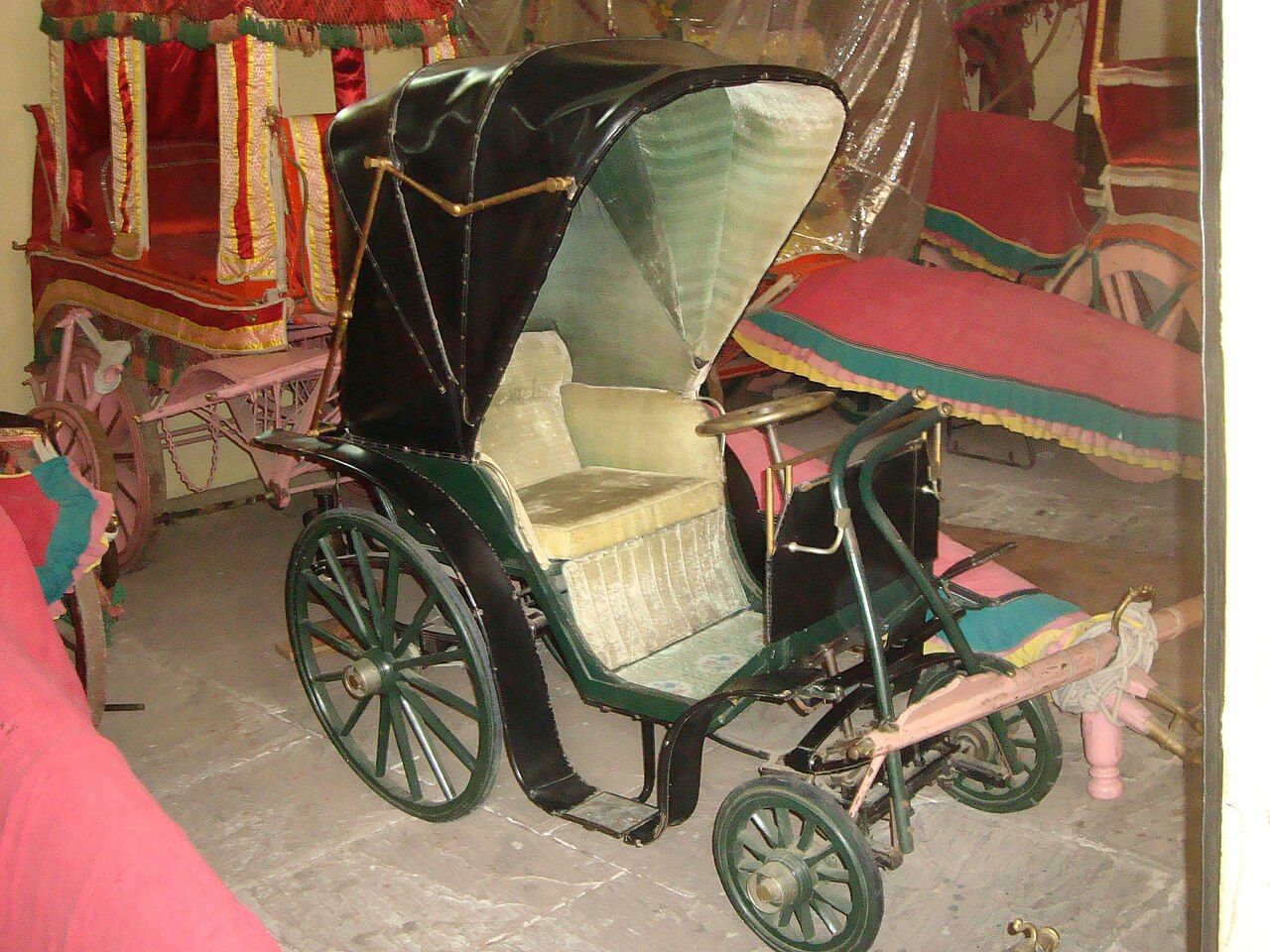 Photo by Vssun / CC BY-SA source file
Dear friend,
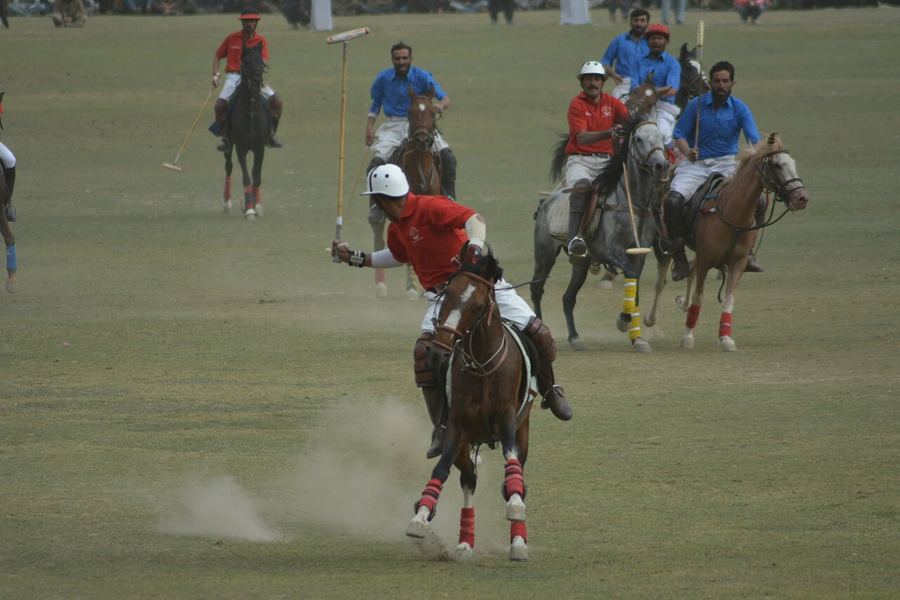
1933 is the year I keep coming back to. Maharaja Man Singh II of Jaipur led a team that won the major English polo tournaments that year. It’s a neat starting point for Jaipur’s polo story: a team carrying the city’s name into the English game, and a Maharaja whose own story stayed tied to the sport.
There’s a harder note in the next part. Maharaja Man Singh II died in 1970 after collapsing during a polo match at Cirencester in England. I wouldn’t want to make that the whole story, but it gives the game a personal weight. Polo here isn’t just a date in a city’s past; it’s attached to a man who played it.
The 61st Cavalry, based in Jaipur, is one of the last horse-mounted cavalry regiments in the world and a leading polo side in India. A present-day team, then, with a place in the city and a place in the country’s polo. I like the way those threads sit together: the old Jaipur team and a mounted regiment still playing the game. There’s a side road worth taking, where riding breeches got their name.
For Jaipur, the polo season is a way of reading the city by its cooler months. Think of it as the stretch between December and March. That’s the span I’d put beside the match, rather than treating polo as an isolated stop. The city has its own story to tell around it, and the season gives the pieces a natural order.
For Jaipur, the polo season is a way of reading the city by its cooler months.
For Jaipur, the polo season is a way of reading the city by its cooler months.
Jaipur was founded in 1727 by Maharaja Sawai Jai Singh II, and it’s the capital of Rajasthan. Jaipur’s walled city was inscribed on UNESCO World Heritage List in 2019. That history doesn’t need to be made grander than it is. The city’s beginnings, its walls and its polo story already make a generous frame for a winter visit.
The old city was painted terracotta pink in 1876 for a visit by the Prince of Wales. Hawa Mahal, the Palace of Winds, followed in 1799, with a pink sandstone front of more than 900 small windows. Even in a short description, those details have a strong visual pull: the colour, then that many-windowed façade.
Jantar Mantar brings another kind of looking. It’s an astronomical observatory built in the early 1700s by Jai Singh II, and it’s a UNESCO World Heritage Site. I like having it in the same Jaipur story as polo: one asks for attention to the sky, the other for attention to the match. Both belong to a city shaped by its rulers.
Amber Fort stands on a hill about 11 kilometres northeast of Jaipur’s centre. There’s the city again, opening out beyond its walls and into the surrounding landscape. I’d pair the fort with polo not because they’re the same sort of thing, but because each gives the day a different measure: a team in motion, then a fort held in place on its hill.
What belongs beside the match?
Food, for a start. Dal baati churma is a classic Rajasthani dish: baked wheat balls served with lentils and sweet crumbs. It sounds like a meal with enough going on to stay in the memory, and I’d be very happy to have it in the mix. Of the details in this letter, it’s the one I’d be most impatient to reach.
The old city, the fort and the observatory make good company for the polo history, but the dish keeps the whole thing from becoming only dates and buildings. A city can be told through its team, its architecture and what’s on the plate. Jaipur offers all three in the facts I’ve got here, with no need to force them into one story.
There’s also a satisfying arc from Maharaja Man Singh II’s 1933 team to the 61st Cavalry, based in Jaipur and still a leading polo side in India. It isn’t a claim that the two are the same thing. Just a thread worth following: polo, Jaipur, and the people who have carried the game in the city’s name or from its base.
And that’s why the cooler-month window feels right to me. Roughly December to March: enough of a season to give the polo story its own place in a visit, while the city’s other landmarks and food stay close at hand. I’m fond of that sort of pairing. A match needn’t stand alone when a whole city gives it context.
If I were arranging the story as a set of pictures, I’d start with the polo names and years, move to the old city’s pink front, then out to Amber Fort, and finish with dal baati churma. Not a strict itinerary. More a way to let the city shift from sport to stone to supper.
There’s a small closing scene I keep in mind: the match done, the city still in the cooler part of its year, and a plate of dal baati churma waiting to have the last word. It’s a good ending for Jaipur, I reckon. The polo matters; so does supper.
Yours,
Cal
— Cal
Photographs used: Jakub Hałun / CC BY-SA source file; Haoreima / CC BY-SA source file; Ijlalahmed / CC BY-SA source file