Imphal: Polo, Ponies and the Ground Still in Use
A letter from Imphal, where sagol kangjei, a small Manipuri pony, Kangla Fort and Loktak Lake give the familiar polo story a local shape.
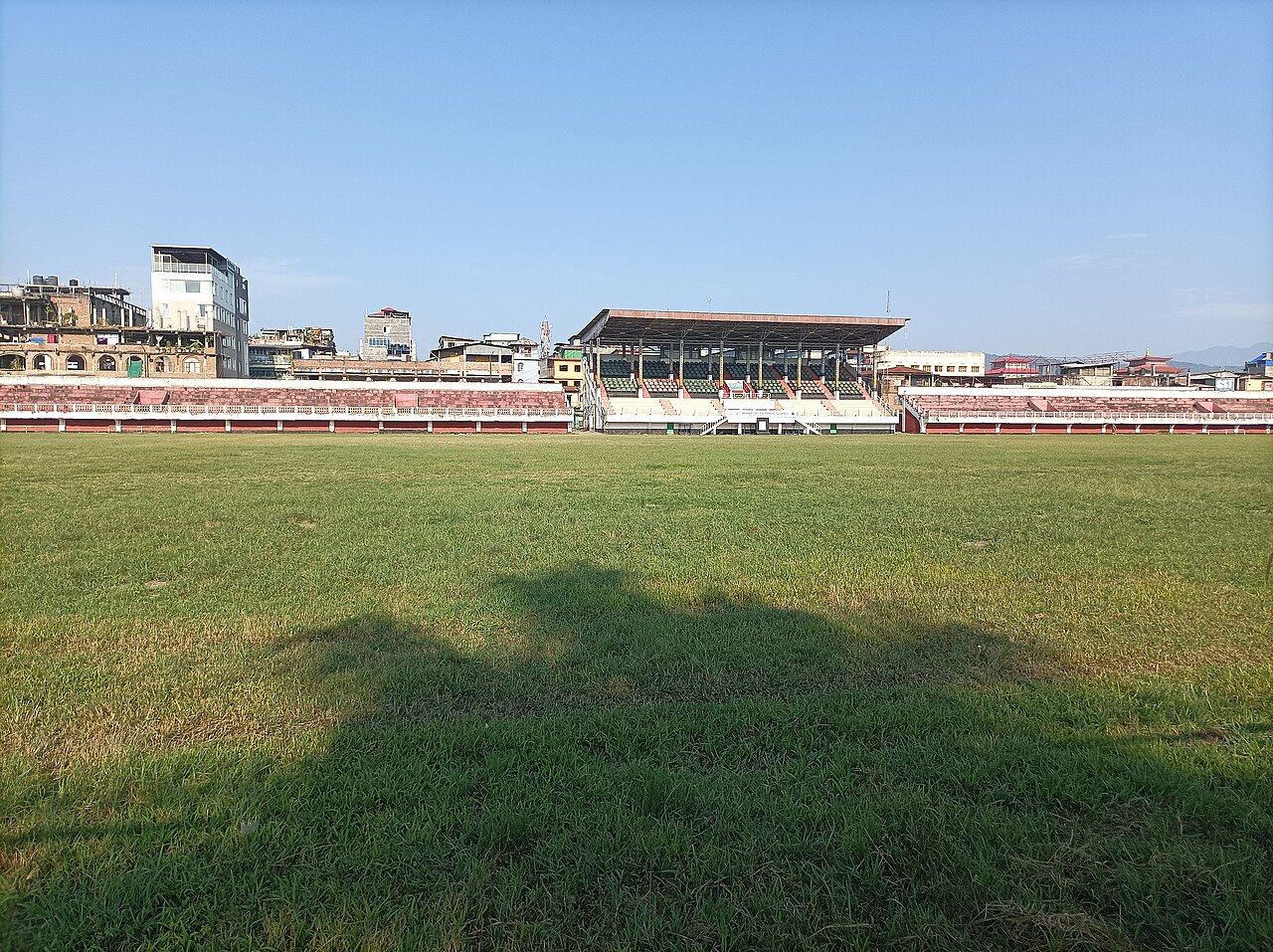 Photo by Haoreima / CC BY-SA source file
Dear friend,
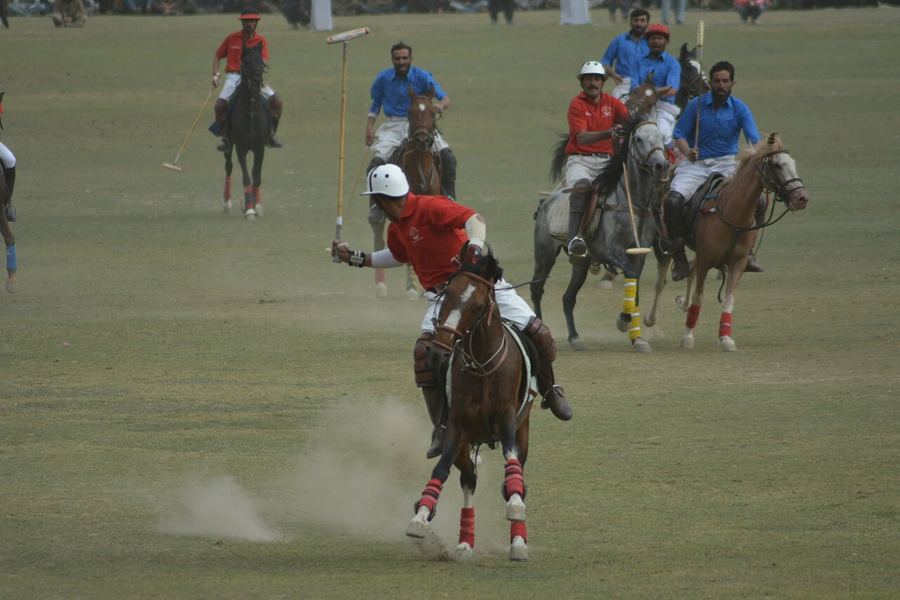
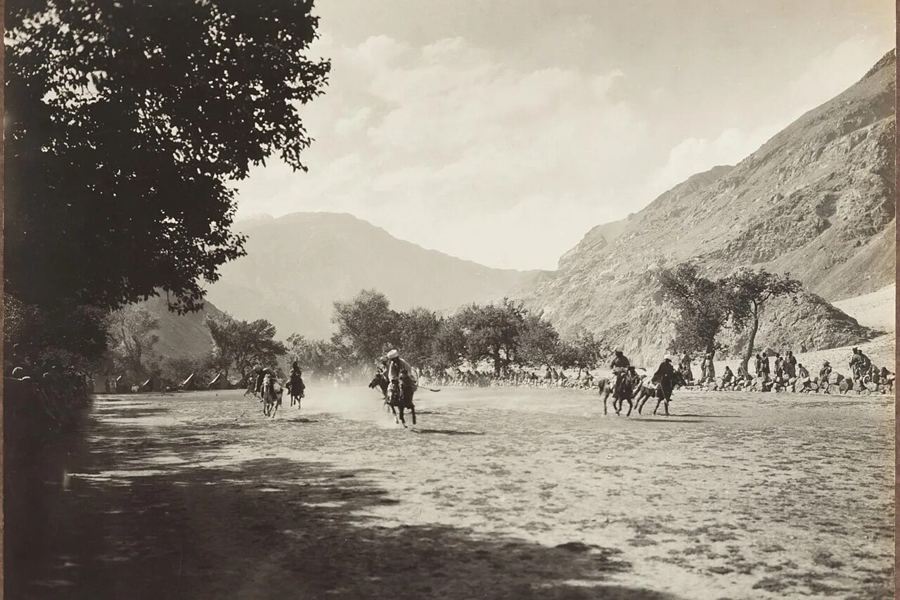
Is polo in Imphal just the familiar game with a different name? That’s the first assumption I’d leave at the gate. Imphal is the capital of Manipur, and its own form of the game is called sagol kangjei. The name comes from sagol, meaning horse, kang, meaning ball, and jei, meaning stick. It’s a tidy bit of language for a game that’s anything but a borrowed label.
Is this only another polo ground?
Myth: a ground is a ground, and the story is much the same wherever you find one.
Fact: Mapal Kangjeibung in Imphal has a reputation as the world's oldest polo ground still in use. That careful “often described” belongs in the telling. It’s a striking distinction all the same, and it makes the place more than a setting for a game. The broader story has its own threads in the Persian beginnings of polo and how the British took up the game. Here, the name to keep is sagol kangjei.
Does a small pony mean a small game?
Myth: the Manipuri pony sounds like a minor detail beside the ball and stick.
Fact: the pony is a small breed, standing about 11 to 13 hands high, and sagol kangjei is traditionally played seven a side. Horse, ball, stick: the name itself keeps the parts in view. I like that it doesn’t ask the pony to disappear behind the game. A small breed, a game with its own name, and a ground with a long standing reputation. They belong in the same sentence.
There’s a familiar polo story elsewhere, too, and it can be tempting to let that be the whole frame. Not here. The detail that stays with me is how directly the words point back to what’s being played.
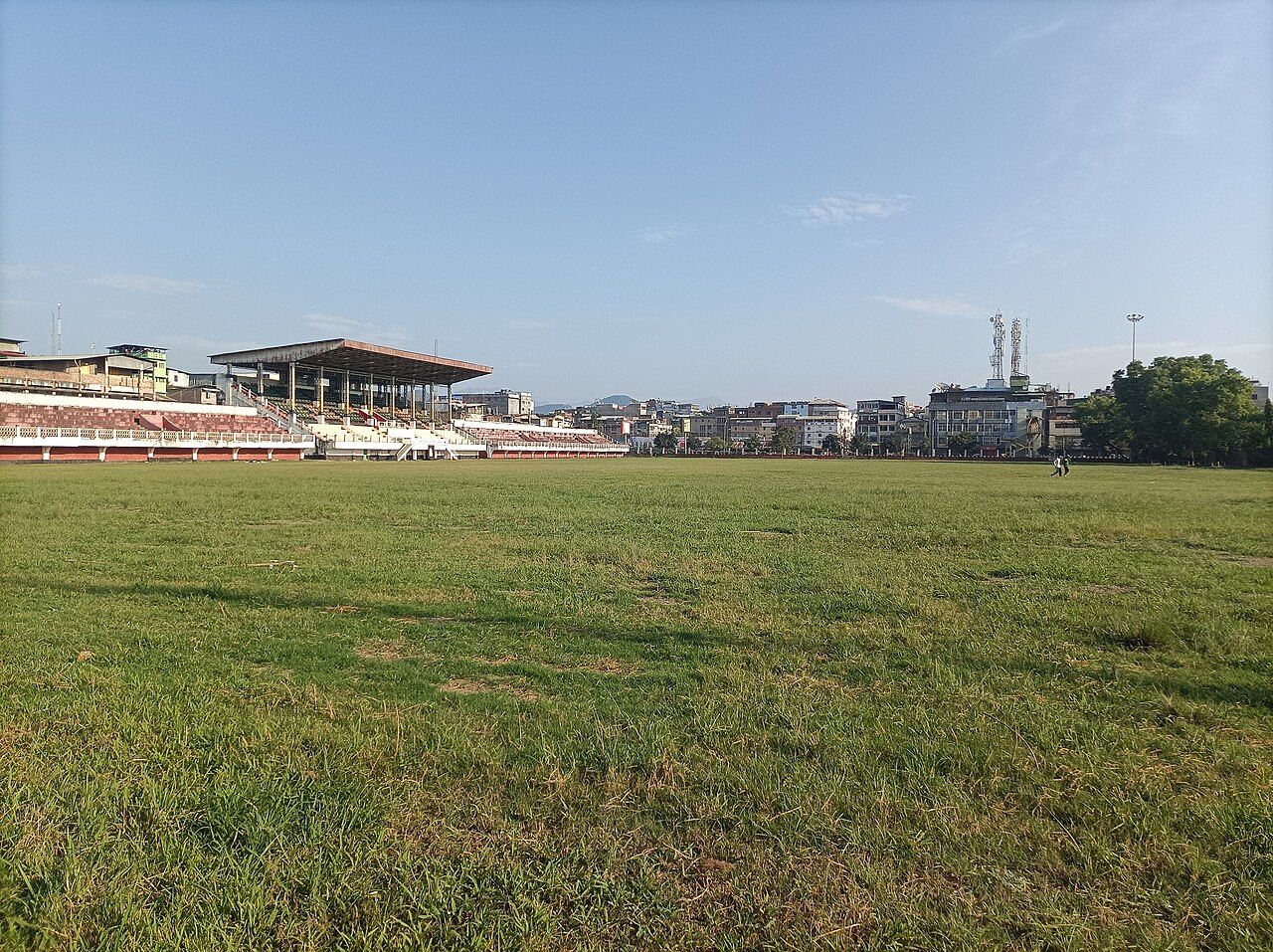 Photo by Haoreima / CC BY-SA source file
A different thread, perhaps, but the local one doesn’t need dressing up.
Is Imphal only about the game?
Myth: once you’ve found the polo ground, the rest of the place is an afterthought.
Fact: Imphal sits in a valley at about 790 metres above sea level. In its centre stands Kangla Fort, the old seat of Manipur’s kings. That’s already another way into the place: not the game, but the old seat at the centre. I’d keep the two in mind together, without asking either one to explain the other.
Then there’s Loktak Lake, south of Imphal. It’s known for its phumdis, floating islands of matted vegetation. On the lake is Keibul Lamjao National Park, the only floating national park in the world and the home of the sangai deer. That’s not a polo story, and it doesn’t need to be. The lake has its own remarkable facts.
Is there a season to hold in mind?
Myth: the game is the only reason to think about the time of year. Fact: the Sangai Festival, Manipur’s state tourism festival, is held in Imphal each November. So there’s a November festival alongside the ground, the fort and the valley. Not a substitute for sagol kangjei; another part of Imphal to have in mind.
Yours, Cal. I like that Imphal’s game has its own name, and that the rest of the place doesn’t have to be scenery for it.
— Cal
Photographs used: Ijlalahmed / CC BY-SA source file; Vittorio Sella / PD source file