Chogan at the Great Square of Isfahan
At Naqsh-e Jahan Square, the old stone goalposts hold a Persian story of chogan, courtly games and the routes that carried polo east and west.
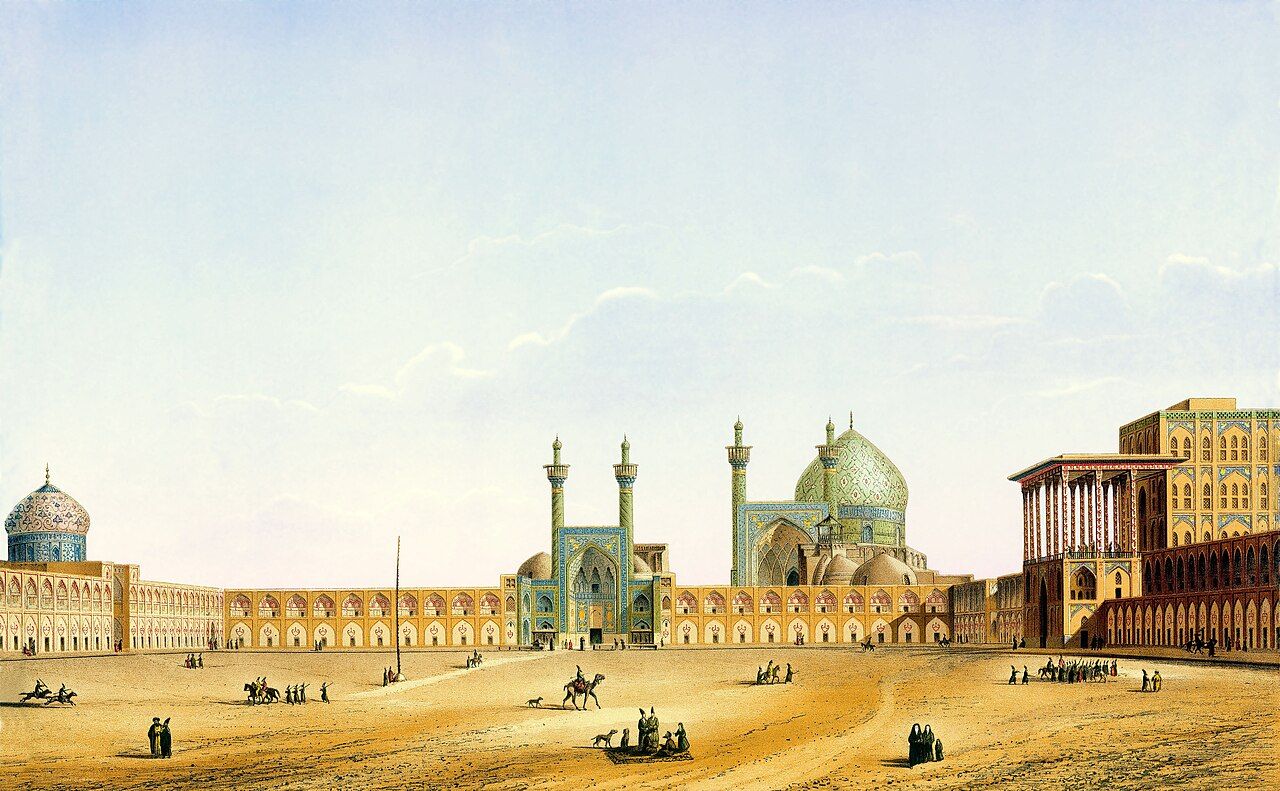 Photo by Pascal Coste / PD source file
Dear ones,
What does a polo ground become when the game has gone on elsewhere, but its goalposts are still standing? At Naqsh-e Jahan Square in Isfahan, that question has a plain answer in stone. The old posts remain at either end, and the square itself was laid out as a polo ground under Shah Abbas I in the early 1600s.
It’s a big answer, too. The square is about 560 metres long and 160 metres wide. I like the thought of a game written across that much ground: not a patch of grass kept aside from the city, but a space made for the game within it. Chogan is the Persian name for polo, and also the name of the stick used to strike the ball.
Those measurements are hard to hold in a glance. A square this long makes the goalposts do more than mark an old contest; they give the eye a beginning and an end. I’d keep looking from one to the other.
What does the square keep?
The stone goalposts make the old game legible without needing to imagine away the years. They still stand at either end of Naqsh-e Jahan Square. A visitor looking across the square today can take in the scale of the old ground and find those markers still in place. Nothing needs dressing up. The posts do their own quiet work.
The stone goalposts make the old game legible without needing to imagine away the years.
On the western side, Ali Qapu palace gave the shah a raised terrace from which to watch the games. That detail changes the way I picture the square. The playing ground, the goalposts and the raised place to watch all belong to the same arrangement. The game wasn’t an anecdote added later to the square’s history; it was part of what this space was laid out to hold.
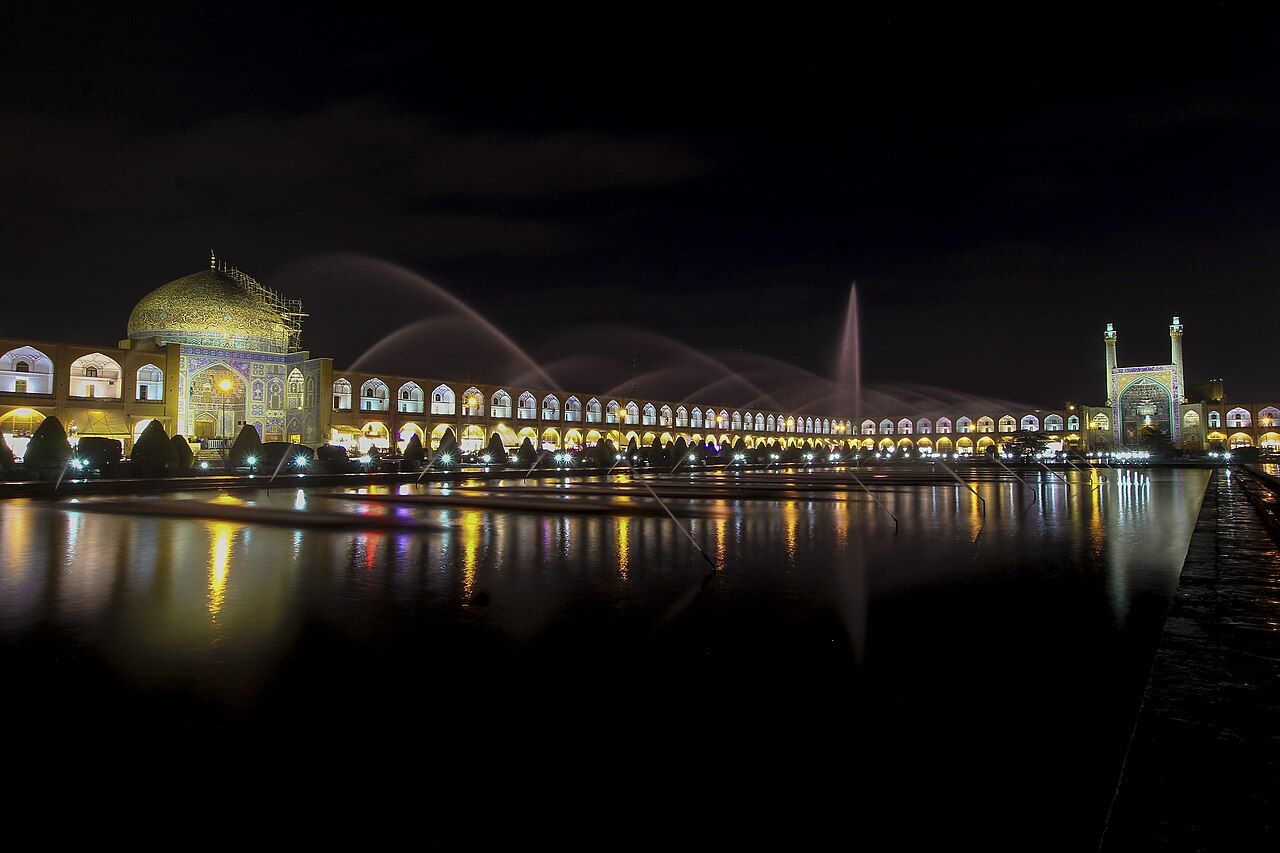 Photo by Majid eslamdoust / CC BY-SA source file
From that terrace, the arrangement reads simply in my mind: ground below, watching place above, goalposts out at the ends. I like how little extra is needed to understand what the square was made to hold. The space and its old use seem to explain one another.
In 1979, UNESCO placed Naqsh-e Jahan Square on its World Heritage register. The square sits in Isfahan, on the Zayandeh River on Iran’s central plateau. Those facts set the ground beneath the story, but it’s the old use that gives the place its particular pull for me: a huge public space once used for chogan, with its stone ends still there.
How far did chogan travel?
Polo is widely believed to have begun in ancient Persia, where it was played as training for cavalry. From Persia, the game spread along trade routes to Constantinople, Central Asia, China and India. That list gives the story its long reach, without making it feel as if the game simply left its beginnings behind. The word chogan stays attached to the Persian account, and to the stick at the centre of play.
Trade routes make a map in the mind, but this story still comes back to a square with stone goalposts at its ends. I like that the Persian name travelled with the game’s history, too: chogan means polo, and names the stick that strikes the ball. A word doing two jobs. A useful little piece of inheritance.
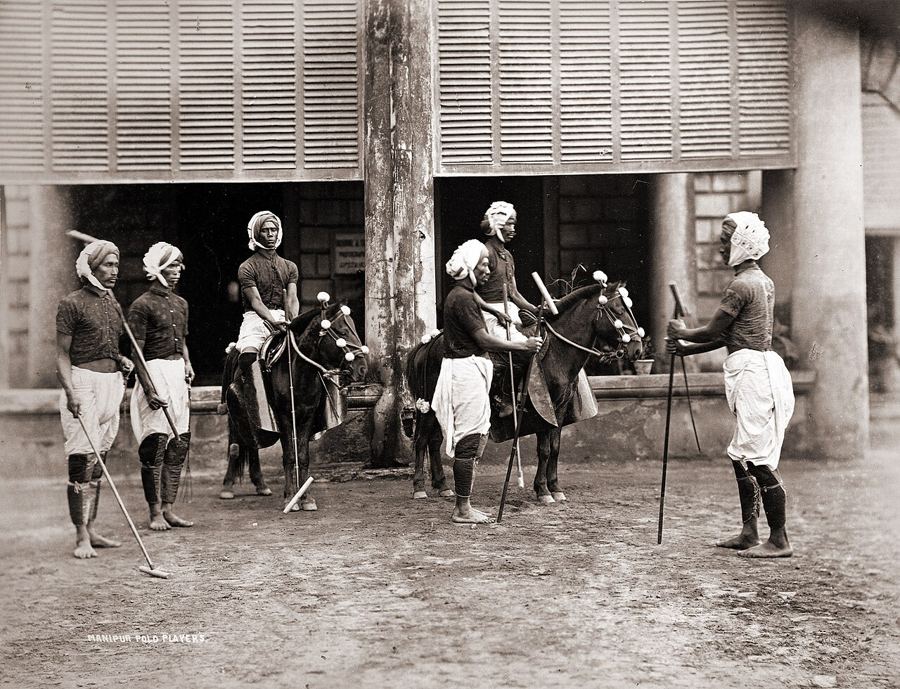
In Tang dynasty China, polo was popular at court, and women as well as men played. I like that small correction to any narrow picture of who took part. The game moved across places and courts, and its history holds more than one kind of player. The story of its eastern reach also brings the name the Manipuri game of sagol kangjei into view; here, though, the square remains the point of return.
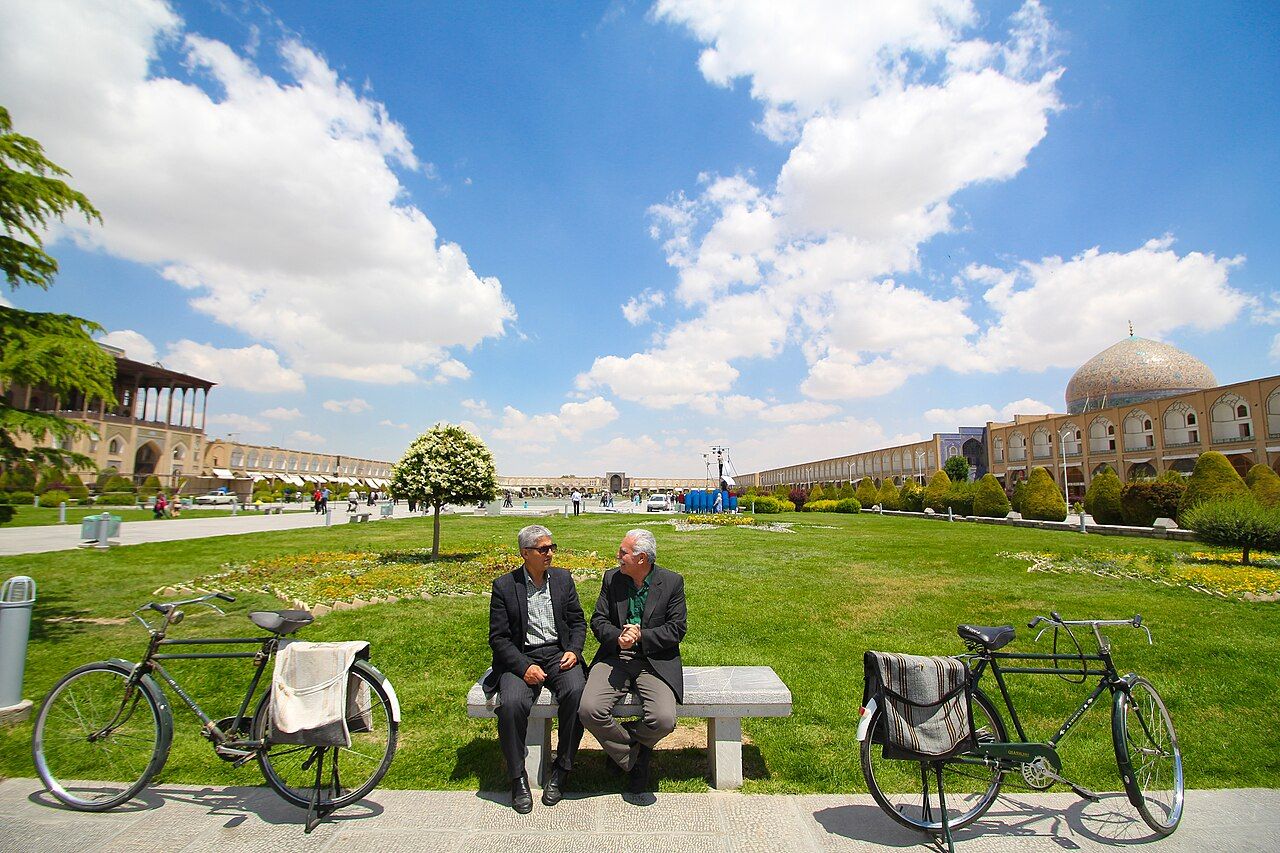 Photo by Majid eslamdoust / CC BY-SA source file
That detail about women and men playing at court is one I’d keep beside the long route across the map. The game’s travels weren’t only a matter of names and places; the people who played it belong in the picture as well.
There’s a written trace, as well. The Persian poet Ferdowsi described games of chogan in the Shahnameh, completed around 1010. Then, in 2017, UNESCO recognised chogan, played with music and storytelling, among the world’s living cultural traditions. A game with a training ground in its beginnings has travelled through poetry and into a living tradition. I find that a better account than treating polo as only a contest of sticks and ball.
And then the eye comes back to the square. The posts at either end; the long measure of the ground; Ali Qapu on the western side, with its terrace above the games. It’s enough to make the distance between an old game and a visitor’s present-day view feel wonderfully short, even if the centuries between them aren’t.
I’d leave the picture there: a broad square in Isfahan, and the stone goalposts holding their place at its ends. A very good way for a game to stay in sight.
Yours, Cal
— Cal
Photographs used: Bourne and Shepherd, 1875 / PD source file; Paul Leonard / CC BY-SA source file