Kolkata, the Maidan and polo’s oldest club
A winter letter from the Maidan, where the Calcutta Polo Club’s long history sits alongside Kolkata’s monuments and its fresh-chhena sweets.
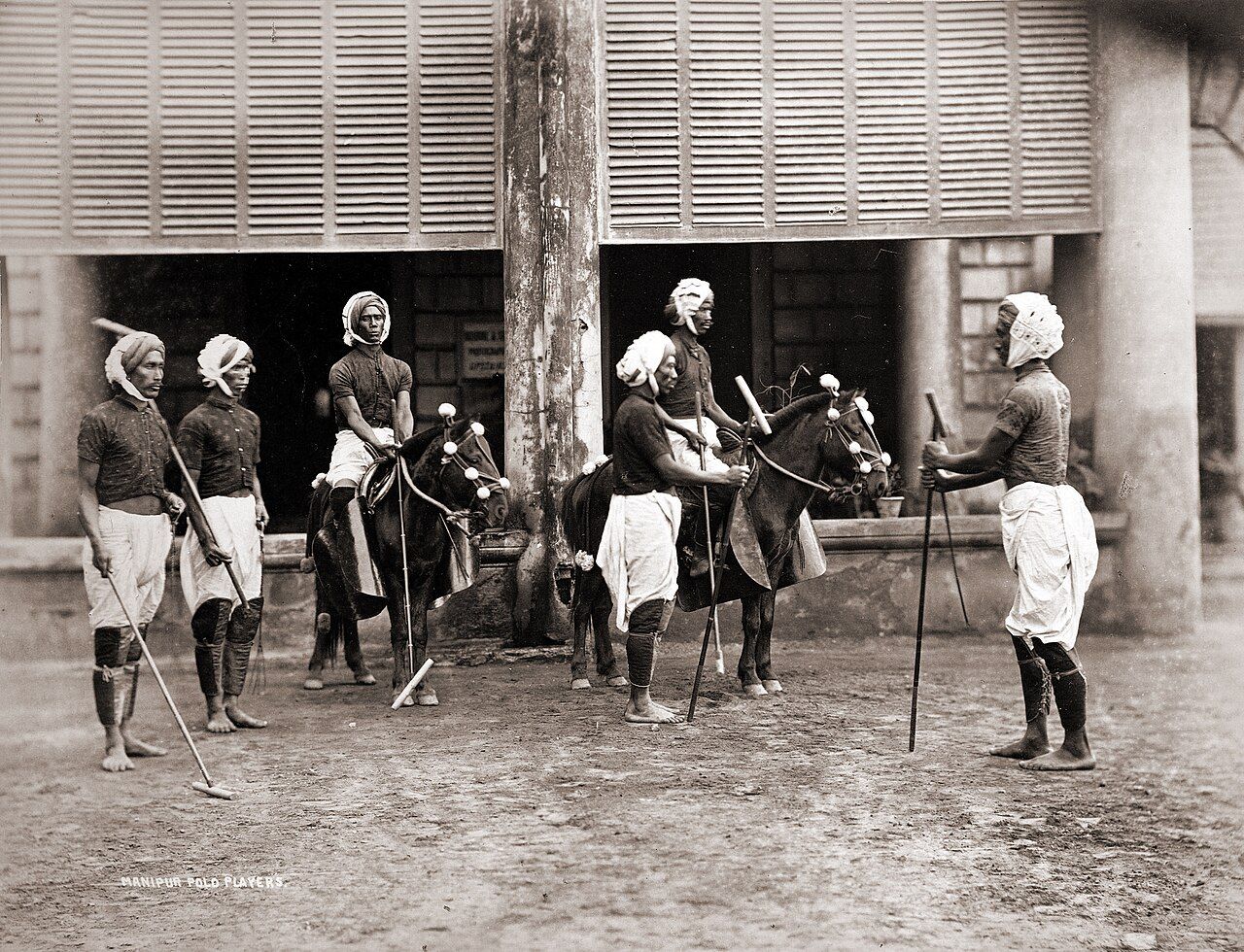 Photo by Bourne and Shepherd, 1875 / PD source file
Dear friend,
Could a polo club be both a piece of history and a living part of a city? In Kolkata, that’s a fair question. The Calcutta Polo Club was founded in 1862 and is the oldest polo club still in existence. The game has long been played on grounds on the Maidan, the great open park in the centre of the city. History here isn’t kept neatly apart from the present; it shares the same ground.
Is the club only a name from the past?
Myth: A club with a history like that belongs only to the history books. Fact: The Calcutta Polo Club is still in existence, and polo in Kolkata is still played in the cooler months, roughly from November to February. The season is a range, not a promise of a particular match on a particular day. Still, it gives a winter visit its shape: the club’s long story, and the game continuing on those Maidan grounds.
There’s a small pleasure in that distinction. A date can make an institution sound distant; the fact of play keeps it close. In 1862 the club was founded. The date is plain enough, but what stays with me is the connection between a club and a stretch of open ground where the city has long played.
Is the Maidan just a park around the monuments?
Myth: The Maidan is scenery, with the city’s history happening somewhere else. Fact: It covers about 400 hectares, is under the control of the Indian Army, and has long been a place for polo. That’s a lot of open ground at the centre of a city, and it makes the game part of the landscape rather than a footnote to it.
The monuments give the eye its bearings. At the southern end stands the Victoria Memorial, a white marble hall finished in 1921. On the western side, near the Hooghly River, stands Fort William, built by the British in the 1700s. Those are different edges of the Maidan, not one single view gathered into a postcard. I like that the open park has room for both a sporting history and these much larger markers of the city’s past.
And the river belongs in the picture too. The Howrah Bridge, opened in 1943, carries traffic across the Hooghly River between Kolkata and Howrah. The city’s polo story doesn’t explain all of Kolkata, of course. But between the Maidan, the river and the monuments, it gives a visitor a useful way to think about how much history sits close together.
Does the old name tell the whole story?
Myth: Calcutta and Kolkata are two different city stories. Fact: Kolkata was officially called Calcutta until 2001, and it was the capital of British India until 1911. The club’s name holds on to Calcutta; the city’s official name is Kolkata. I wouldn’t tidy that into a simple before-and-after. The names sit beside each other, much as the old club and the current game do.
There’s another city detail I’d save room for after the monuments: sweets made from fresh chhena cheese, including rasgulla and sandesh. The polo and the marble are the grand notes; sweets are a more personal ending. Kolkata is famous for them, and that’s good enough reason to let the day’s history finish on a sweeter thought.
If the club’s early history has you wondering about polo elsewhere, there’s also the first modern club in Assam to read about.
I leave the Maidan in my mind as open ground, with the club’s long past still in play, and a sweet waiting at the end of the story.
Yours,
Cal
— Cal
Photographs used: Paul Leonard / CC BY-SA source file; Unknown author Unknown author / PD source file; Beatrice Murch / CC BY source file