Silchar, 1859: where modern polo began
A letter from Silchar, where Manipuri players taught British tea planters and army officers the game, and a club founded in 1859 came to mark the start of modern polo.
1859.
Dear friend,
Silchar lies on the Barak River in southern Assam, close to the borders of Manipur and Mizoram. It’s a town with a particular place in polo’s story: the Silchar Polo Club, founded here in 1859, is regarded as the first polo club of the modern era.
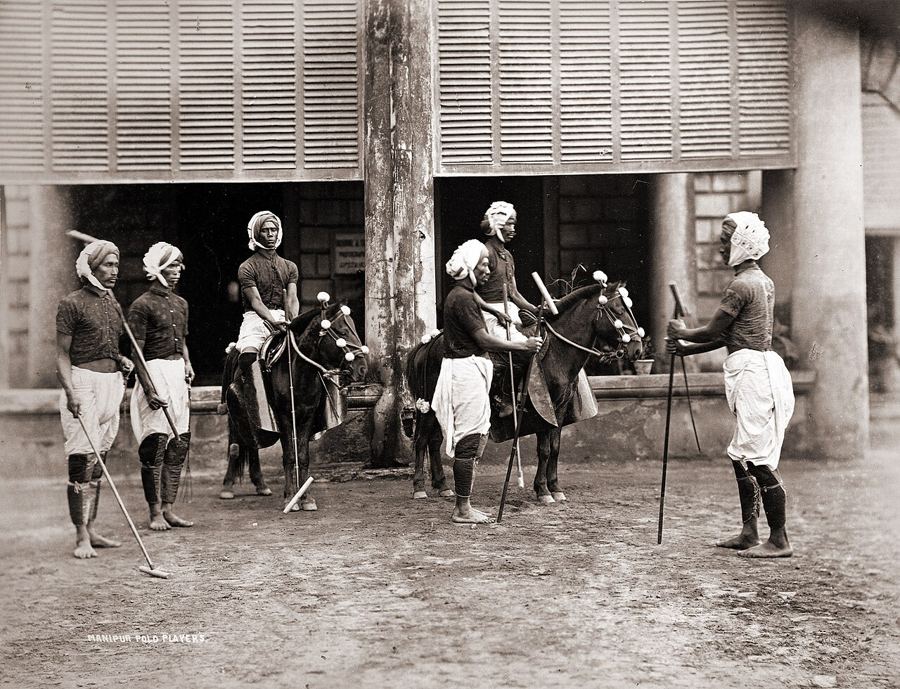
The game didn’t begin with the British. In the mid-1800s, British tea planters and army officers in Assam learned polo from Manipuri players. That exchange is the part I keep coming back to: the game was already there, and the newcomers learned it from the people who played it.
The early Silchar players rode small Manipuri ponies, about 12 to 13 hands. It’s a detail that brings the game down from grand abstractions and back to its actual beginnings: players, ponies, and a club taking shape in Assam.
Among the founders were Lieutenant Joseph Sherer, often called the father of modern polo, and Captain Robert Stewart. The club no longer exists, but its founding date is often taken as the start of modern polo. There’s a neatness to that date, though the story behind it belongs to the Manipuri players who taught the game as well.
Tea gardens cover much of the Barak Valley around Silchar. The river is part of the town’s setting, and the tea gardens across the valley place the planters’ work alongside the story of the game. From Assam, polo spread among British regiments across India within a few years. The map of the game widened quickly; its Silchar beginning stays tied to this river town and to the players from whom the British learned.
And then the clubs kept coming. Calcutta Polo Club, founded in 1862, is the oldest club still playing. Silchar’s club is gone, but the date attached to it still marks a beginning.
I like that modern polo’s starting point is a story of learning, not invention.
Yours,
Cal
— Cal
Photographs used: Bourne and Shepherd, 1875 / PD source file; Paul Leonard / CC BY-SA source file; Unknown author Unknown author / PD source file