How a Polo Match Is Put Together
A match makes more sense once its chukkas, four positions, field, goals and kit come into view from the boundary.
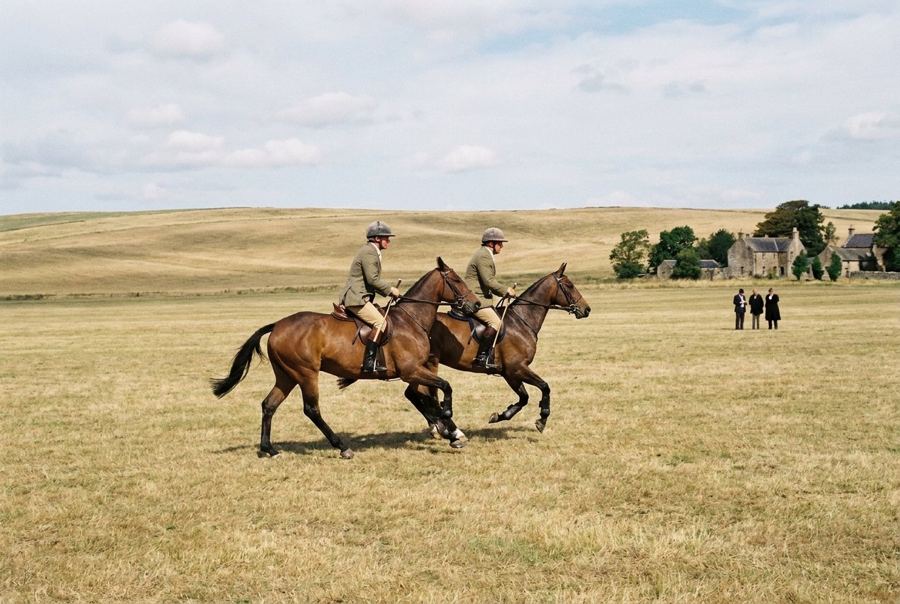
 Photo by Rodrigo Paredes from Ciudad Autónoma de Buenos Aires, Argentina / CC BY source file
Dear mate,
Ever watched a polo match and wondered what to follow first? I’d start with the shape of the day, then let the numbers and the movement around the field do the explaining.
Morning. A match is divided into periods called chukkas, each lasting seven minutes of play. The word comes from the Hindi word chakkar, meaning a circle or a turn. Most high-goal matches have six chukkas; lower-level matches often have four. That’s the first useful thing to keep in mind from the boundary: the game comes in distinct stretches, not one long run.
Each team has four players, numbered one to four. Number one plays furthest forward; number four, the back, guards the goal. Once those jobs are in your head, the players’ numbers become a little map of the team. For a separate bit of context, there’s how polo handicaps work.
Midday. The field gives the match its scale. A full-size outdoor polo field is 300 yards long, about 274 metres, and is the largest field in organised ball sport. An unboarded field can be up to 200 yards wide; with low side boards, it’s usually about 160 yards wide. From the boundary, that length can make the goals look a long way apart. They’re eight yards apart, with no crossbar, so a ball at any height between the posts counts as a goal.
After every goal, the teams change ends. It evens out any advantage from wind or ground, and it gives you a simple reset as a spectator: the teams are heading the other way now. If the direction of play is hard to make sense of, the rule of the line is the useful phrase to keep nearby.
There’s a short break of a few minutes between chukkas, and a longer half-time interval midway through the match. The bell sounds after seven minutes of a chukka. Play can carry on for up to about 30 seconds more, until the ball goes out of play. So the bell marks the end of the allotted playing time, but not always the instant everything stops. I like that small wrinkle; it asks you to keep watching.
Late afternoon. The kit is simple to read once you know what you’re looking at. A modern polo ball is made of hard plastic and is about 3 to 3.5 inches across. The mallet has a cane shaft, and the ball is struck with the long side of its head, not its end. Since the mid-1970s, players have been required to hold the mallet in the right hand. A little detail, but one that helps make the swing easier to follow.
That’s enough to give the boundary a pattern: watch the numbered positions, note each change of ends, and count the chukkas by the breaks. Then the bell goes, the ball can still be in play, and for a few seconds the match hasn’t quite let go.
Yours,
Cal
— Cal