The Line of the Ball and Fouls Worth Learning to See
I’m watching the play differently now: the line, the right of way, the permitted challenges and the penalties all start to come into view.
Hello,
What’s the umpire seen that I haven’t? That’s the question I’m carrying into the morning. The answer, more often than I expected, begins with a line that isn’t there to see.
Morning: where does the line run?
The line of the ball is its imaginary path, and it decides who has the right of way. The player following the ball most closely along that line, with the ball on the right-hand side of the horse, has the right of way. A lot hangs on that small piece of geometry. I’m beginning to watch the route, not just the ball.
The line is invisible, but it gives the play its order.
That’s the useful thought to keep nearby while watching. A player crossing the line in front of someone who has the right of way commits the most common foul in polo. From the sideline, the crossing can look like ordinary movement towards the ball. The question is whether that movement cuts across the player already following its line.
And the right of way isn’t a permanent possession. A player who slows down or checks on the line of the ball loses it. So I’m trying not to decide too early. The player had the line; then the pace changed. The rule asks me to keep watching, rather than hold on to the first picture in my head.
It’s a better way into the shape of a match, too. The ball may pull the eye, but the line helps explain why an umpire sees a foul where a spectator sees a route towards it.
The line is invisible, but it gives the play its order.
Midday: which challenges are allowed?
Riding off is a player pushing an opponent off the line with the horse’s body. That can be legal, provided it’s done at a safe angle. I like the distinction: the contact itself doesn’t settle the question. The angle matters. There’s a lawful way to challenge for the line, and a foul when the challenge isn’t safe.
Hooking is different. A player blocks an opponent’s swing with the mallet, but only from the same side as the swing or from directly behind. I’m learning to separate the picture of a mallet meeting a mallet from the position it came from. Same side, or directly behind. Outside those positions, it isn’t allowed.
There’s another moment that asks for a careful look: two players may meet the ball head-on if both ride exactly along its line, passing left side to left side. That’s not the same as cutting across the path. Both have to be riding along it. I find myself tracing the imaginary line in my head and checking where each horse is in relation to it.
The mallet has its own limit. A player may not swing it dangerously near another horse’s legs, or across the front of another horse. That’s a rule I can understand without needing to know who had the line. The swing itself can be dangerous, and the position of the other horse matters.
By midday, I’ve stopped treating every contact as the same kind of thing. Riding off, hooking and crossing the line each have their own conditions. It makes half-time on the field feel like a useful pause in the watching; I can go back over the parts I muddled and start again with the line.
Late afternoon: what does the whistle settle?
Polo matches are controlled by two mounted umpires on the field. There’s also a referee on the sideline, who settles any disagreement between them. That arrangement gives me a little more to follow than the whistle alone: the call comes from the umpires on the field, and a disagreement between them goes to the sideline referee.
The penalties are numbered. Penalty 1 awards a goal outright when a foul stops a near-certain goal. It’s a stark result, but the reason is plain in the rule: the foul has stopped a near-certain goal.
Most penalties are free hits taken from set distances, such as 30, 40 or 60 yards from goal. Those numbers put a location on the consequence. A foul isn’t always followed by an outright goal; most penalties are free hits from a set distance instead.
That’s about as far as I can take the numbered penalties from what I’ve learnt today. I know Penalty 1 and what it awards, and I know most penalties are free hits from set distances. I won’t pretend the numbers have all become clear just because I’ve heard them. Better to watch the line, then listen for the call.
Late afternoon, and I’m back to the simple question: who was following the ball most closely along its line, with the ball on the horse’s right-hand side? Then: did someone cross in front, ride off at a safe angle, hook from an allowed position, or swing dangerously near a horse? The whistle makes more sense when I ask those things in that order.
As I put the rules away for the day, I can still picture that invisible track: the ball on the right, a horse following, another trying to meet it. I’ll watch the line first next time. It seems a much better place to start.
Yours,
Cal
— Cal
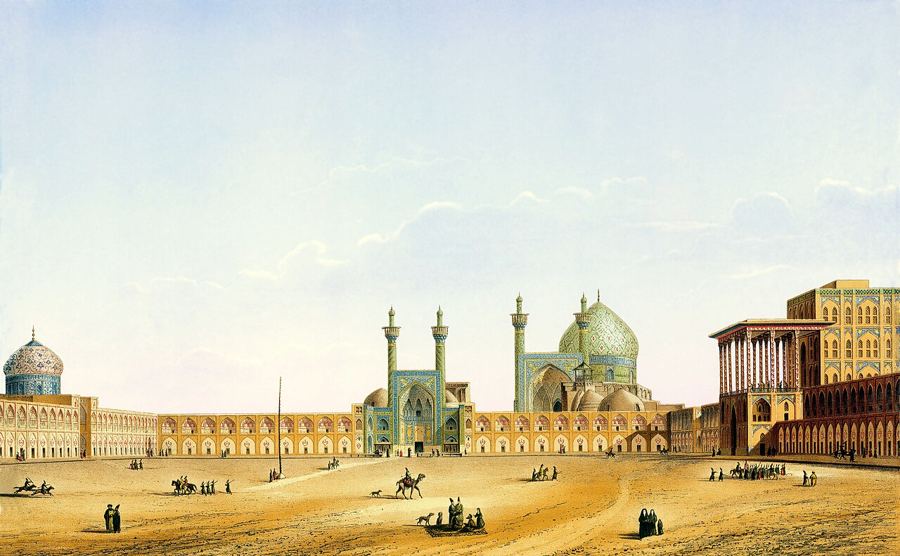
Photographs used: Pascal Coste / PD source file