Gold Cup Season in the South Downs
The English high-goal season runs into July, when the Gold Cup comes to the country near Midhurst, with the South Downs, Cowdray’s ruins and Petworth close by.
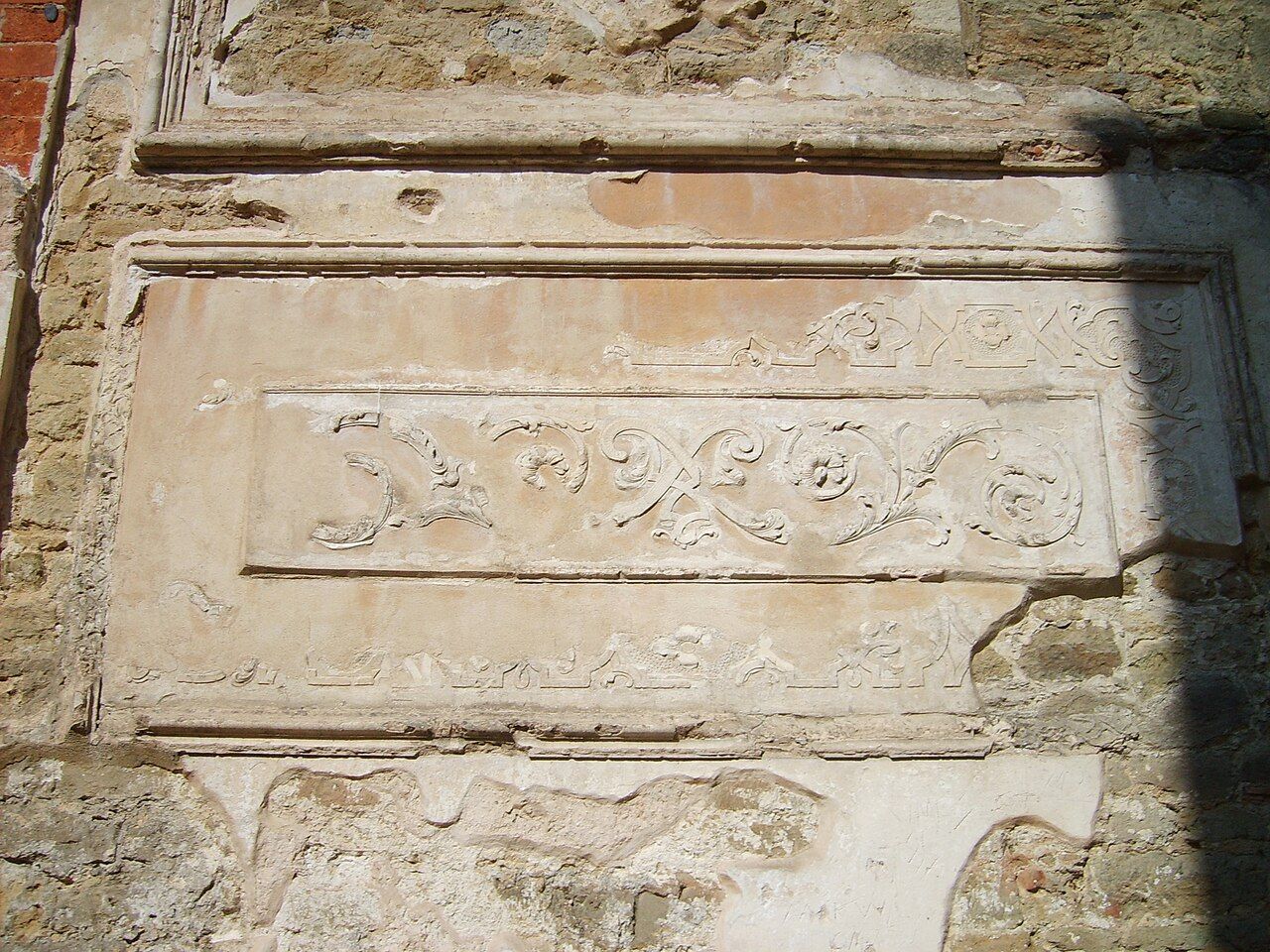 Photo by Simon Burchell / CC BY-SA source file
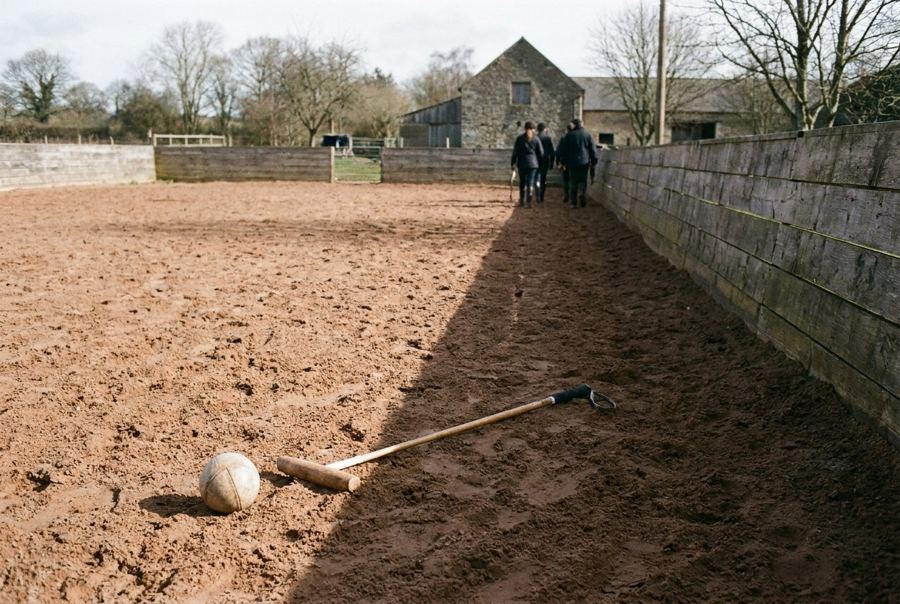
1956. Dear mate, that’s when the Gold Cup began being played near Midhurst in West Sussex, and it’s still the anchor for a July polo story. The British Open Polo Championship for the Gold Cup is England’s top high-goal tournament, with its final in July. Not a bad way to give the month a bit of shape.
Myth: the season is a July affair. Fact: English high-goal polo runs from about mid-May to the end of July. And when the high-goal season finishes, lower-goal polo carries on in England into September. So July is the climax, not the whole tale. I like that distinction; it leaves room for the season to build before the final, then carry on in a different gear.
Is Midhurst just a polo address?
Myth: Midhurst is only a name on the tournament calendar. Fact: it’s a market town on the River Rother, inside the South Downs National Park. There’s a town here as well as a tournament, and the setting isn’t an afterthought. The South Downs National Park was created in 2010, making it the newest national park in England.
That gives the polo a wider frame: the South Downs aren’t just a label for the area around the ground. The South Downs Way runs about 160 kilometres from Winchester to Eastbourne. It’s a long line across the landscape, while the Gold Cup gives the Midhurst area its particular July focus. I’m fond of a trip with more than one thread to follow.
Match-day detail belongs here, too. For a small bit of polo etiquette, there’s what to wear on the boundary. Then the wider map takes over again. It’s easy enough to hold the game and the surrounding country in the same thought, rather than treating one as a reason to hurry past the other.
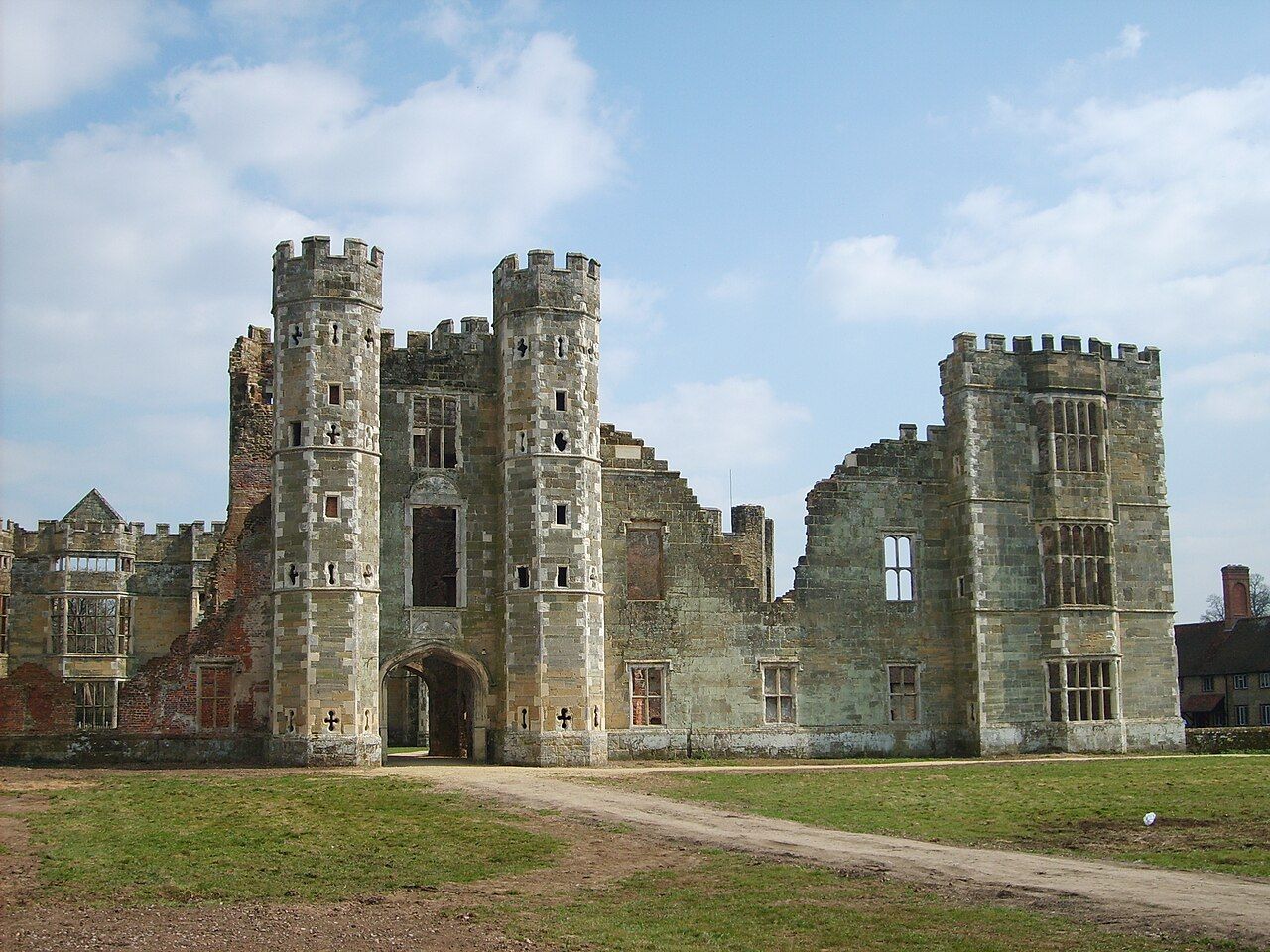 Photo by Simon Burchell / CC BY-SA source file
Are Cowdray’s ruins still a house?
Myth: Cowdray House is a Tudor mansion waiting intact just outside town. Fact: what stands just outside Midhurst are its ruins. The Tudor mansion was largely destroyed by fire in 1793. That’s a different sort of stop from the polo, and it gives the area another layer without needing to dress the facts up. Ruins, a market town, a national park, and the tournament. Plenty to keep in mind.
Petworth adds another nearby point to the map. Petworth House lies about 10 kilometres east of Midhurst, with a deer park landscaped by Capability Brown. I like the way those details sit beside the polo: the parkland has its own story, and the distance is small enough to make the connection clear without pretending it’s all one place.
So the myth that this is only a sporting stop doesn’t quite hold. The Gold Cup is the high point of the English high-goal season, but Midhurst belongs to a broader patch of the South Downs, with Cowdray’s ruins just outside town and Petworth to the east. The practical shape is simple: high-goal runs from about mid-May to the end of July; the final is in July; lower-goal polo carries into September.
All told, I like this part of England best when polo and old stone share the story. Yours, Cal.
— Cal
Photographs used: gailhampshire from Cradley, Malvern, U.K / CC BY source file