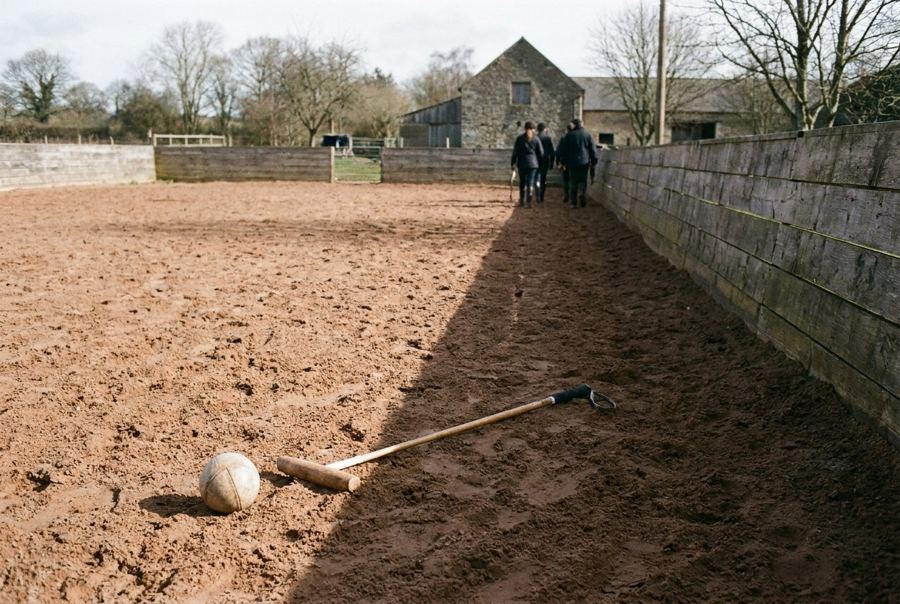
A Summer of Polo at Sotogrande
High-goal polo in July and August is only part of Sotogrande: there’s the estuary, a walled hill village, Jerez horses and the Levante.
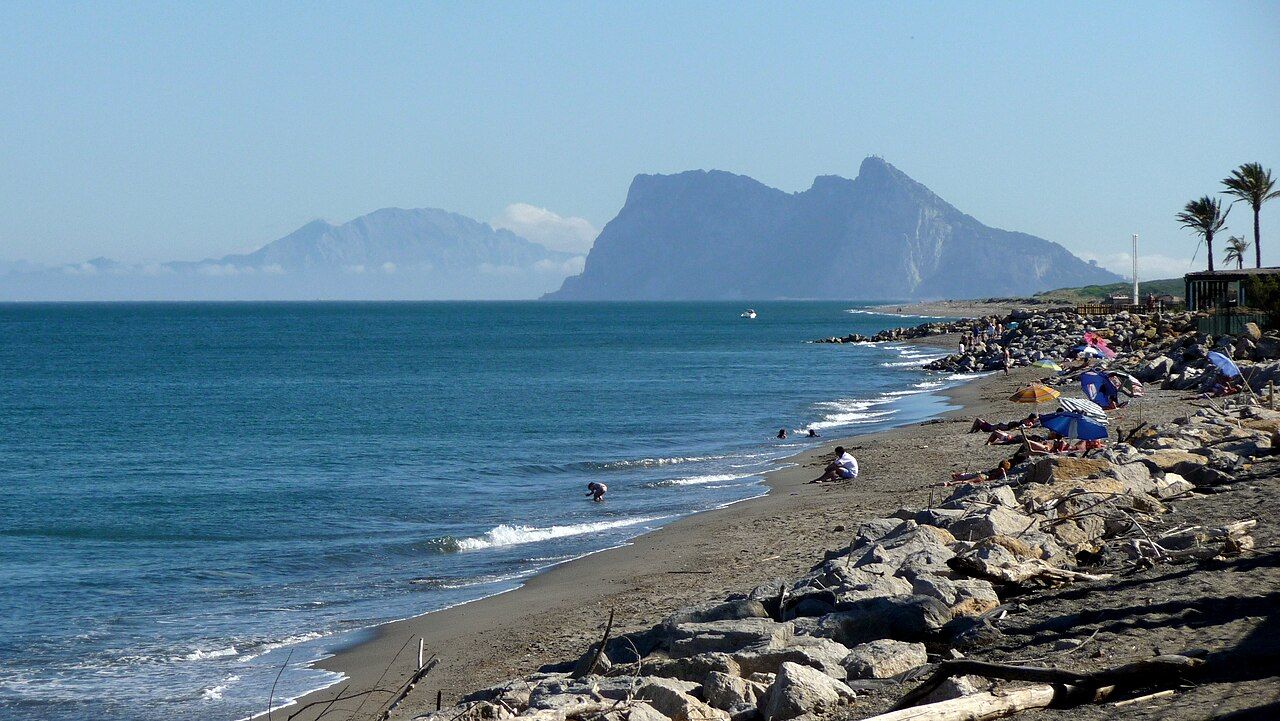 Photo by gailhampshire from Cradley, Malvern, U.K / CC BY source file
Dear friend,
1960s: that’s when Sotogrande began, as a coastal development in the municipality of San Roque, in Cádiz province, Andalusia. Now it hosts one of Europe’s biggest summer polo seasons, with high-goal play in July and August. That sounds like a complete answer to what Sotogrande is. It isn’t quite.
Is it all polo?
Myth: Come for the matches and there’s nothing else to think about.
Fact: Polo is the summer’s loudest headline, but the land around it has its own pull. The Guadiaro River meets the sea here, and a small nature reserve protects the estuary. A different, quieter sort of pause from the game. I like having somewhere quiet in the story, even if the story’s main event has horses and high goals.
If the season makes you picture an English polo Sunday, Sotogrande’s high-goal July and August season is played on the Cádiz coast, where summer is hot and dry and the Levante sometimes blows through the Strait.
I wouldn’t pretend the season is a cool-weather affair, though.
Does summer mean easy weather?
Myth: A coastal setting must make the heat gentle.
Fact: Summer on the Cádiz coast is hot and dry. The strong easterly Levante wind blows through the Strait of Gibraltar at times, too. That’s the weather in plain terms: heat, dryness, and a wind that can arrive. I’d rather know that than dress the place up as permanently mild. The polo season belongs to the height of summer, not to some imaginary cool interlude.
And the food has a firm answer to the heat, at least in my affections. Pescaíto frito—small fish fried in flour—is a staple along the Cádiz coast. No grand theory needed. It’s the sort of food that makes me want to leave room in the day for lunch, not squeeze it between every other plan.
Is there nowhere to go beyond the coast?
Myth: Sotogrande is all shoreline and playing season.
Fact: Inland lies Castellar de la Frontera, a walled hilltop village with a medieval castle. My bad knee on descents is already making a note of the hill; the village sounds like a good counterweight to the coast all the same. And at Jerez de la Frontera, the Real Escuela Andaluza del Arte Ecuestre trains and shows Andalusian horses. Different ground, same magnificent animal. That connection feels apt in a place whose summer is so shaped by polo.
Gibraltar lies about 25 kilometres southwest of Sotogrande, across a corner of coast and the Strait. It gives the setting a wider reach without taking the focus off the local bits: the river mouth, the hill village, the horse school, and the food. The polo season may be the reason to put Sotogrande on the page, but it doesn’t have to be the only thing on it.
Yours, Cal.
Pescaíto frito is my favourite argument in Sotogrande’s favour.
— Cal
Photographs used: Vssun / CC BY-SA source file; Jakub Hałun / CC BY-SA source file