Smith’s Lawn and a Sunday in Windsor Great Park
From the train to the last chukka, a summer Sunday can hold polo, the Long Walk, Virginia Water and the Savill Garden—without pretending the park is only a lawn.
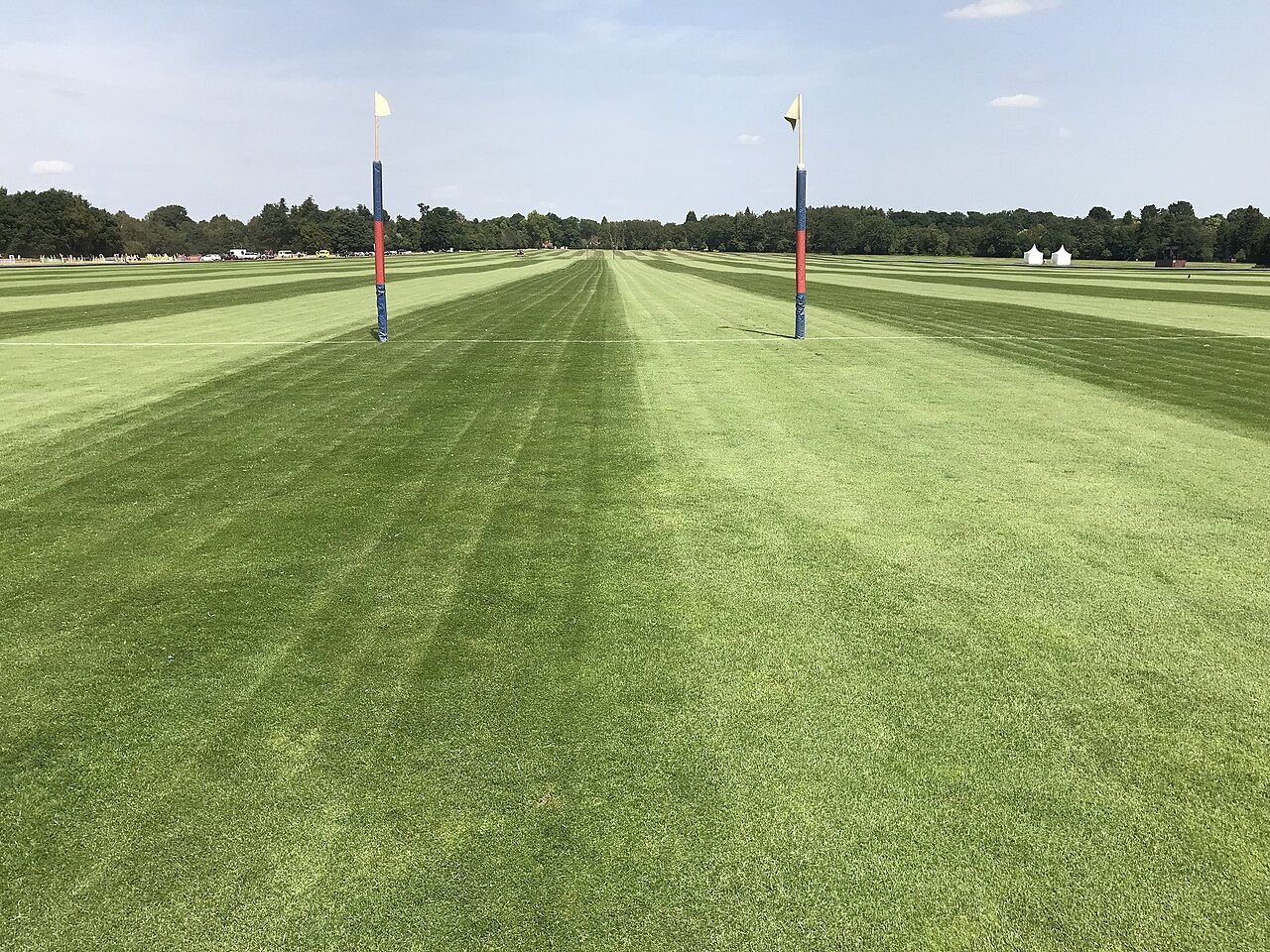 Photo by Richard Humphrey / CC BY-SA source file
Dear friend,
2,000 hectares is a lot of park to fit around a polo match. That’s the first assumption I’d put to work on a summer Sunday in Windsor Great Park: that Smith’s Lawn is the whole story. It isn’t. The lawn is large and open, and polo is played there, but it sits within a much bigger stretch of parkland. A day planned around the match can still have room for a walk, a garden and a lake.
I’d start with the train. Windsor lies about 35 kilometres west of central London, and trains run from London Waterloo and from Paddington via Slough. That’s enough to set the journey in motion without making the train ride the main event. The day is meant to finish at Smith’s Lawn, with the last chukka held back as its own small destination.
Is Smith’s Lawn the whole park?
Myth: the polo lawn is the park. Fact: Windsor Great Park covers about 2,000 hectares and is managed by the Crown Estate. That scale changes the shape of the day. A match can be its centrepiece without having to account for every step; the park has its own distances and places, and they don’t all need to be squeezed into the same hour.
A park this large asks for a day with more than one centre of gravity.
A park this large asks for a day with more than one centre of gravity.
The Long Walk makes a fine counterweight to sitting by a field. It runs about 4 kilometres from Windsor Castle to the Copper Horse, a statue of George III on Snow Hill. There’s a satisfying plainness to that line between named places: castle at one end, statue at the other, and a walk that has a beginning and a finish. It’s not a little lap to tack on without thought. I’d give it space in the day, rather than hurry through it in the name of reaching the polo.
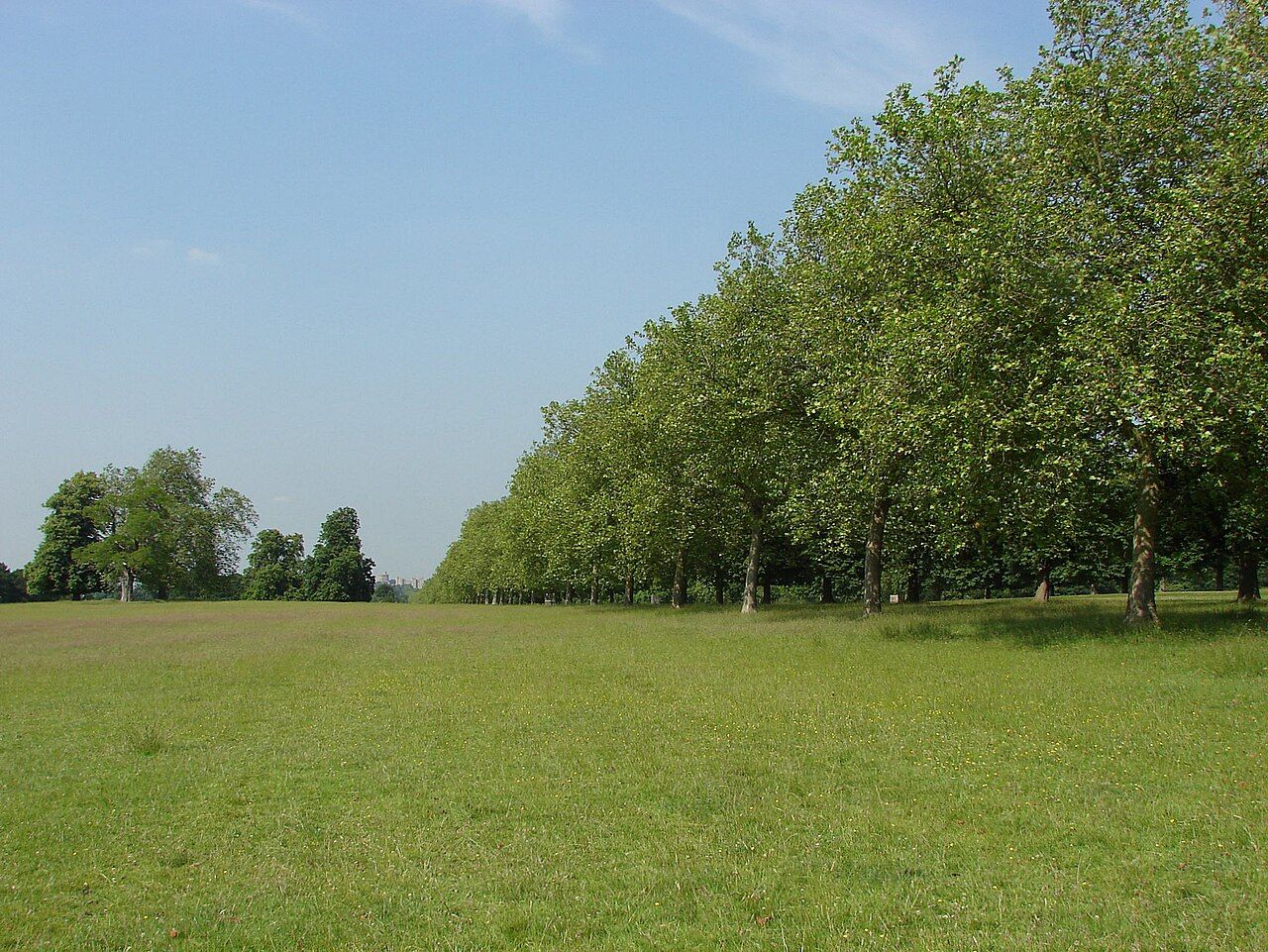 Photo by Alan Hunt / CC BY-SA source file
That’s the first bit of myth-busting that feels useful. A Sunday doesn’t have to mean a race from landmark to landmark. One walk, taken as a walk, is already a proper part of the outing.
Is polo a recent arrival here?
Myth: polo and Smith’s Lawn are a new pairing. Fact: polo has been played there since the 1950s, and Prince Philip was among those who brought it to the lawn. The season runs from about April to September, with the biggest tournaments in early summer. So a summer Sunday sits neatly within the season, though the calendar doesn’t promise that every Sunday carries the same sort of match.
That’s where I’d keep the polo as the anchor, not the whole itinerary. There’s a particular pleasure in having a clear reason to be at one place, then letting the rest of the day take its own shape. I’d save the final stretch for Smith’s Lawn and the last chukka, rather than treat the match as something to rush past on the way to another stop.
For another polo reference, there’s the Gold Cup final in July to keep in the picture. It belongs in the same broad conversation as early-summer tournaments, without turning this particular Sunday into a claim about a fixture. The important thing here is simpler: the lawn has a polo season, and this is a day built around watching polo on the lawn.
Does the park offer anything beyond the walk?
Myth: once the Long Walk is done, the rest is just more of the same. Fact: the Savill Garden lies at the edge of Windsor Great Park, close to Smith’s Lawn, and it was begun in the 1930s. That gives the day another kind of stop, close enough to the polo lawn to belong in the same plan, but distinct from a long route across the park.
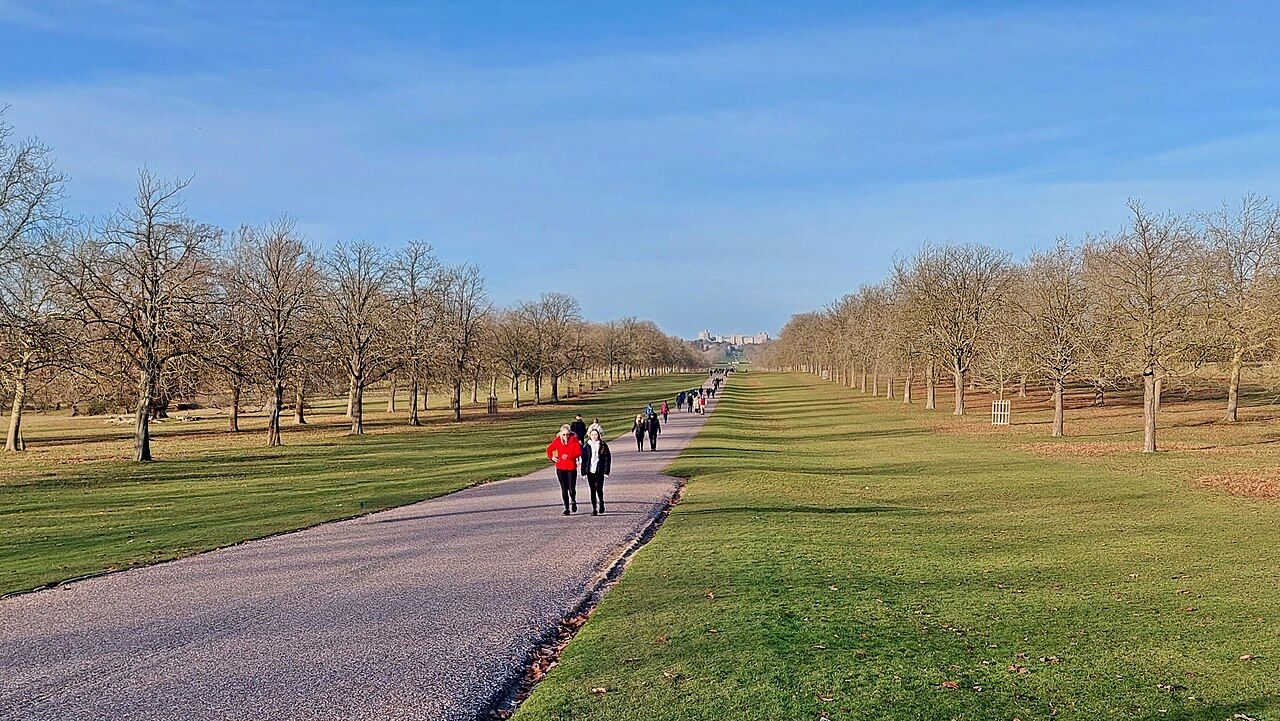 Photo by Mark Percy / CC BY-SA source file
Then there’s Virginia Water, a large lake in the south of Windsor Great Park. Its path runs about 7 kilometres around it. I’d resist calling that a quick loop. Seven kilometres is a walk with a proper claim on the day, especially when the Long Walk is also on the list. The park’s distances are the quiet correction to the idea that everything sits just beside everything else.
So the order matters less than being honest about the size of the outing. The Long Walk, the garden, the lake and the polo lawn are not a handful of tiny pauses. They’re different ways of spending time in a park that covers about 2,000 hectares. I’d choose the parts that suit the day, and leave enough room for the last chukka to feel like an ending rather than another item crossed off.
Windsor Castle is the oldest and largest occupied castle in the world, and the Long Walk begins there before running to the Copper Horse. That gives the route a strong line on the map, but I like that the day doesn’t have to become a castle visit to make sense. The walk can be its own purpose; the garden and lake can be their own alternatives; and Smith’s Lawn can still be where the attention gathers at the end.
That’s the version I’d send home: train from London, a walk or garden or lake chosen with the park’s scale in mind, then polo at Smith’s Lawn through the last chukka. No elaborate theory required. Just enough room between one thing and the next.
Yours, Cal.
Smith’s Lawn is best when the polo is the point, not the whole plan.
— Cal
Photographs used: Simon Burchell / CC BY-SA source file; gailhampshire from Cradley, Malvern, U.K / CC BY source file