Australia’s Country Polo Days and the Birth of Polocrosse
Polo arrived in Australia in the 1870s; polocrosse followed in 1939. A note home on country polo days, the Stock Horse and a game made here.
Is Australian polo all about big names and grand occasions?
Dear friend,
Myth: Polo in Australia is a recent arrival. Fact: It came in the 1870s, with early games in Victoria and New South Wales. That gives the game a proper stretch of time on this ground. I like that beginning: no fuss, just the sport taking root and finding its place.
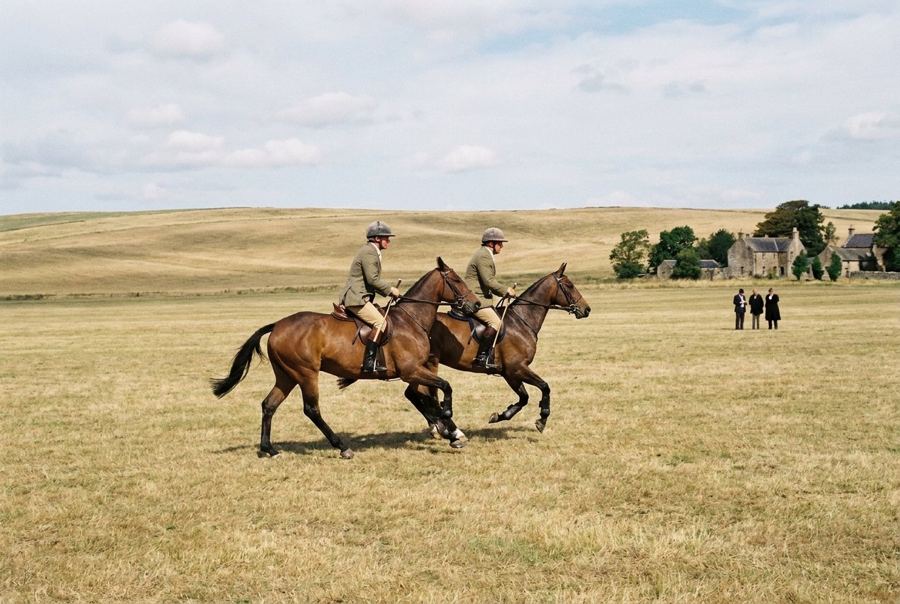
Myth: A polo day must mean a formal setting. Fact: Many Australian polo days are country events in small rural towns. That’s the picture I’d keep: a country day with polo at its centre, rather than a grand occasion demanding all the attention. There’s an ease to that idea I’m very fond of.
Myth: There’s no season worth pinning down. Fact: In southern Australia, polo runs through the warmer months, roughly from September to April. A useful shape to the year, and a reminder that the country polo day belongs to a particular stretch of it.
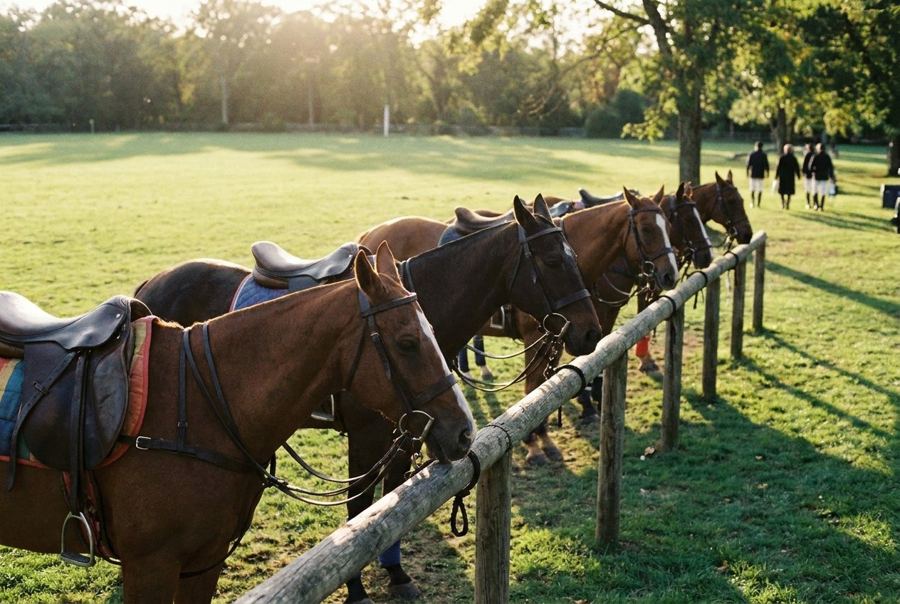
Myth: The horse is just there to carry the player. Fact: The Australian Stock Horse is a common mount for polocrosse and lower-level polo in Australia. Hardworking is the word that comes to mind. I’ve always liked a sport where the horse isn’t an afterthought. Polo’s changes of mount make a contrast with polocrosse; there’s more on how polo players change horses.
Myth: Polocrosse is simply polo with a different name. Fact: It was developed in Australia from 1939 by Edward and Mary Hirst, who adapted a training game they’d seen in England. A cane stick carries a small net, like a lacrosse racquet, and the ball is soft rubber. Each player rides one horse for the whole match. The team has six players, with three on the field at a time. A neat set of differences, and an Australian invention besides.
I like ending on that: a country game with its own rules, and a Stock Horse under the player. The picture stays with me, quiet and grounded.
Yours,
Cal
— Cal
Photographs used: Rodrigo Paredes from Ciudad Autónoma de Buenos Aires, Argentina / CC BY source file