Criollos, Thoroughbreds and the Argentine polo pony
A gaucho’s working horse and a Thoroughbred meet in the Argentine polo pony, with Mancha and Gato’s long ride offering a sturdy clue to its roots.
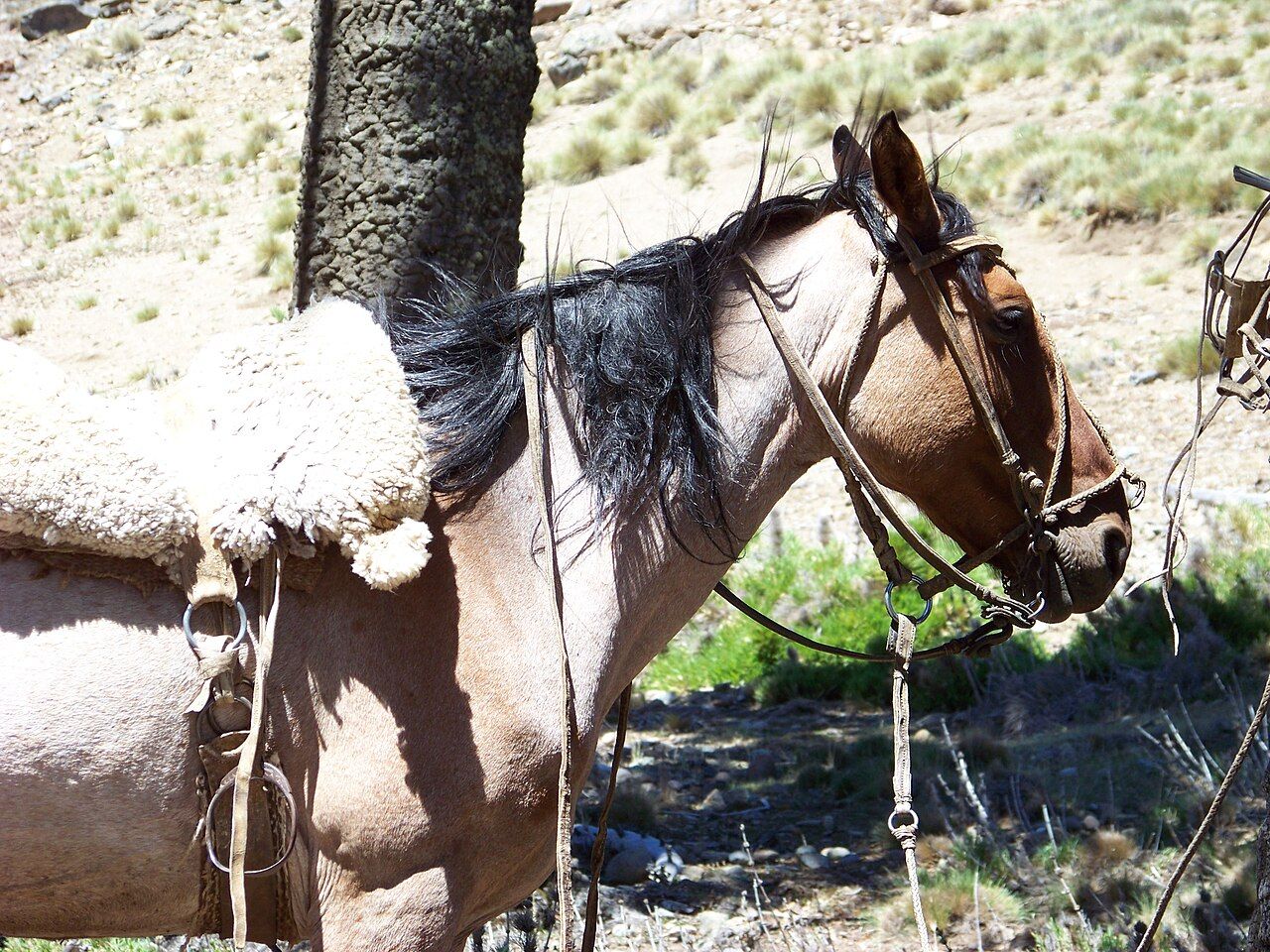 Photo by Daniel Sapag / PD source file
Dear old friend,
One easy assumption about Argentina’s polo ponies is that they’re Thoroughbreds in polo kit. The actual story starts with a horse shaped by work on the pampas, then brings the Thoroughbred into the mix. That distinction matters; the Argentine pony isn’t just one parent or the other.
Is the Criollo simply a local name for a polo horse?
Myth: the Criollo is the Argentine polo pony, and that’s the whole tale. Fact: the Criollo is a hardy breed found in Argentina, Uruguay and southern Brazil, descended from Spanish horses brought over in the 1500s. On the pampas, Criollo horses were the working mounts of the gauchos. A horse with that history gives the story a rather different beginning from a purpose-made polo mount.
And hardy is the word to keep in mind here. The Criollo’s toughness isn’t just a nice bit of background colour. It’s the quality that makes the breed’s place in this story feel more than decorative. I like that the Argentine polo pony’s roots lead back to working horses, not to a polished pedigree appearing from nowhere.
Does the Thoroughbred explain the whole pony?
Myth: add a Thoroughbred, and the result is simply a faster version of the original. Fact: the Argentine polo pony was developed by crossing Criollo mares with Thoroughbred stallions. That gives us a clearer description of its making, without pretending the result belongs to only one side of the family.
Argentine polo ponies are prized for their sprint, quick turns and calm temperament. A useful little trio, if ever there was one. It speaks to the demands of play without making the horse’s story any less grounded in the Criollo. The combination is the point: the working mount and the Thoroughbred both belong in the account.
There’s more to the picture than ancestry, too. Argentine breeders keep a stud book for the Polo Argentino, the country’s own polo-pony breed. So the name isn’t just a casual way of talking about any horse used for polo. It’s a breed with a stud book kept by Argentine breeders. I’ve always liked a name that does its job plainly.
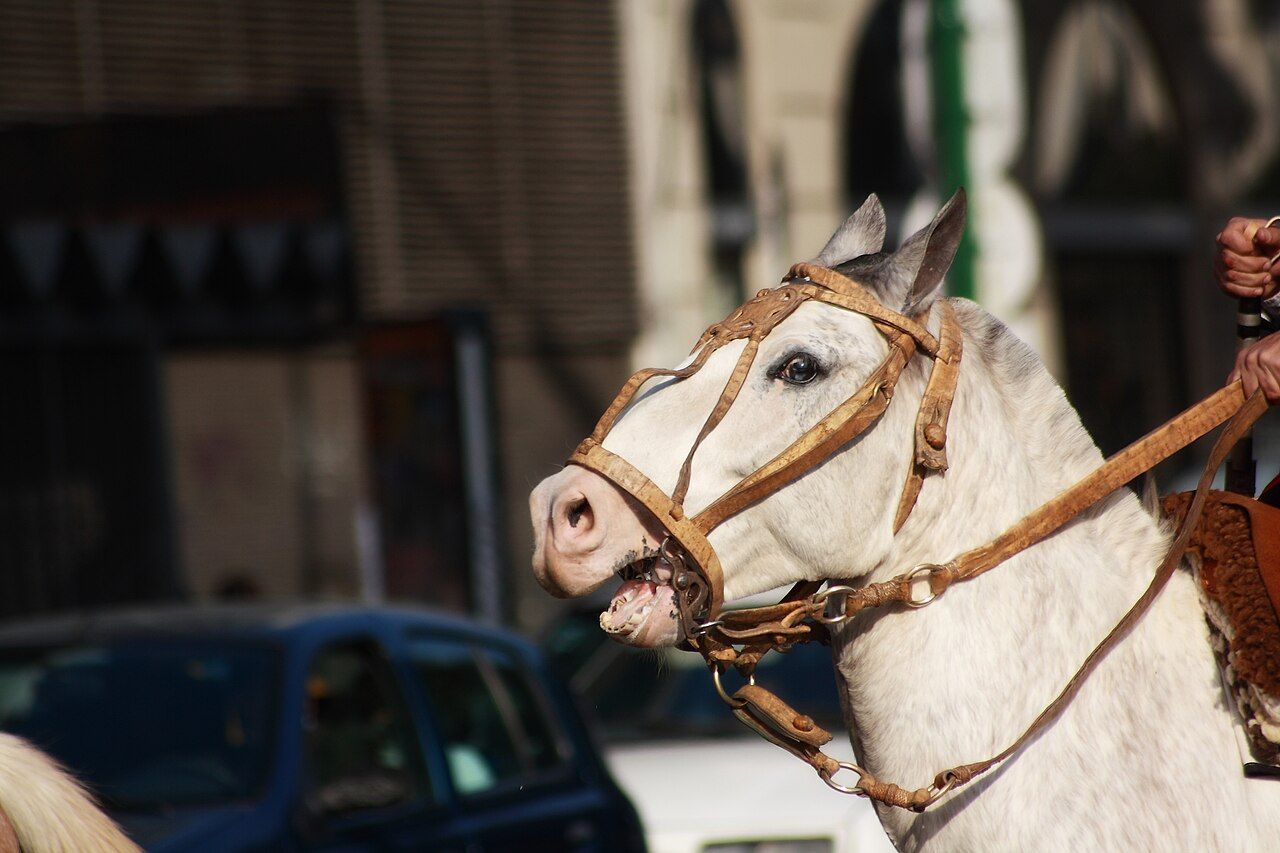 Photo by Juanedc from Zaragoza, España / CC BY source file
Was the Criollo really tough enough for a journey like that?
Myth: hardy is only a word people use when they’re talking up an old breed. Fact: in 1925, Swiss-born teacher Aimé Tschiffely set out from Buenos Aires with two Criollo horses, Mancha and Gato, and rode them to Washington DC, arriving in 1928. There’s the claim tested over a long ride, not just tucked into a description of the breed.
Mancha and Gato weren’t the Argentine polo pony described by the cross of Criollo mares and Thoroughbred stallions. They were Criollos. Still, their ride makes the foundation of that later pony feel substantial. It’s a story of the source breed’s toughness, and a useful reminder not to muddle the two horses in the tale.
Argentina is one of the largest exporters of polo ponies in the world. That fact sits neatly beside the local stud book and the long development from Criollo to Polo Argentino. The path from working mount to polo pony isn’t a leap; it’s a crossing, a breed identity, and horses prized for a particular set of qualities.
If you want to follow the human side of the subject, there’s also life along the pony lines to read about. For now, the useful thing to remember is that a young polo pony usually plays practice chukkas and low-goal matches before facing high-goal play. That’s the order of its introduction to the game, not a claim that every pony’s path is identical.
Yours, Cal
The Criollo roots are my favourite part of the Argentine polo pony story.
— Cal
Photographs used: ElGuruCesar / CC BY-SA source file; Banfield / PD source file; Richard Humphrey / CC BY-SA source file