Buenos Aires beyond the polo ground
A free day between matches, from the Palermo parks to Recoleta, with late dinner, asado and tango waiting in the wings.
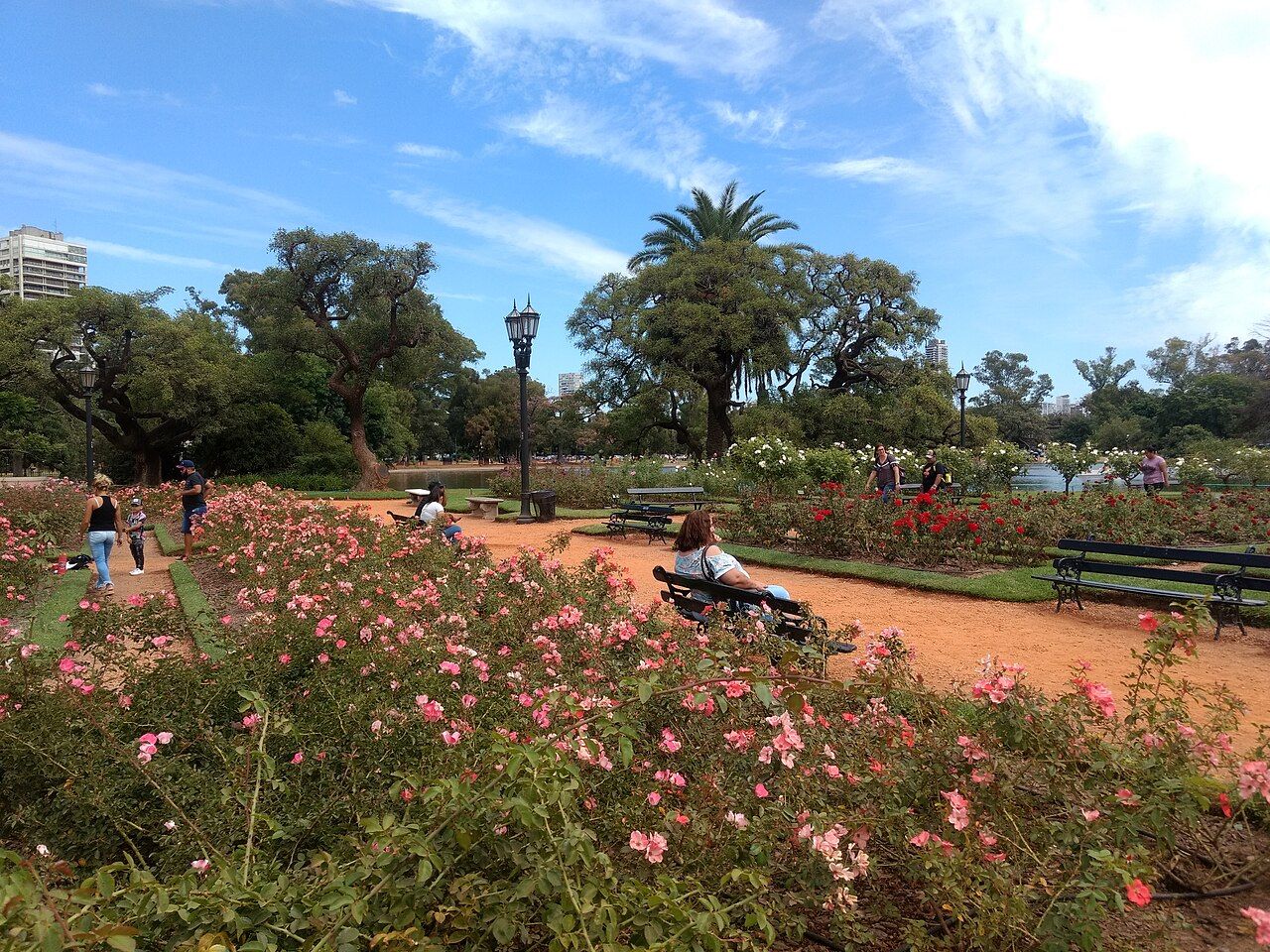 Photo by ElGuruCesar / CC BY-SA source file
What’s a day between matches for, if not to let Buenos Aires set the pace? Dear all, I’ve been thinking of it as a loose itinerary rather than a march of sights: green space first, Recoleta next, then a dinner that doesn’t pretend the evening’s in a hurry. The Open can have the polo hours. The rest can breathe.
For anyone whose match-day compass points to the cathedral of polo, it’s a pleasant change to give the day to the city around it. In mid-November to early December, I’d keep the plan simple and leave some space between its parts. A bad knee on descents has taught me that a day needn’t be crammed to feel full.
Morning, then: Parque Tres de Febrero, also called the Bosques de Palermo. It’s the largest park in Buenos Aires, which is quite enough reason to let it take up a good portion of the day. No score to follow here. Just a change of scenery, with the parks as the first proper pause between matches.
The Rosedal rose garden sits inside Parque Tres de Febrero, with thousands of rose bushes around a lake. That’s my sort of detail to linger over; a garden with its own lake gives the morning a centre of gravity. I’d make this the slow part of the itinerary, rather than treating it as a quick stop before the next part.
Palermo has another garden to fold into the same stretch of the day: the Japanese Garden, one of the largest gardens of its kind outside Japan. I like the thought of moving from the roses to this, both within Palermo, without making the day about ticking off a list. Two gardens, and a little breathing room between them. Enough to feel the morning has been well spent.
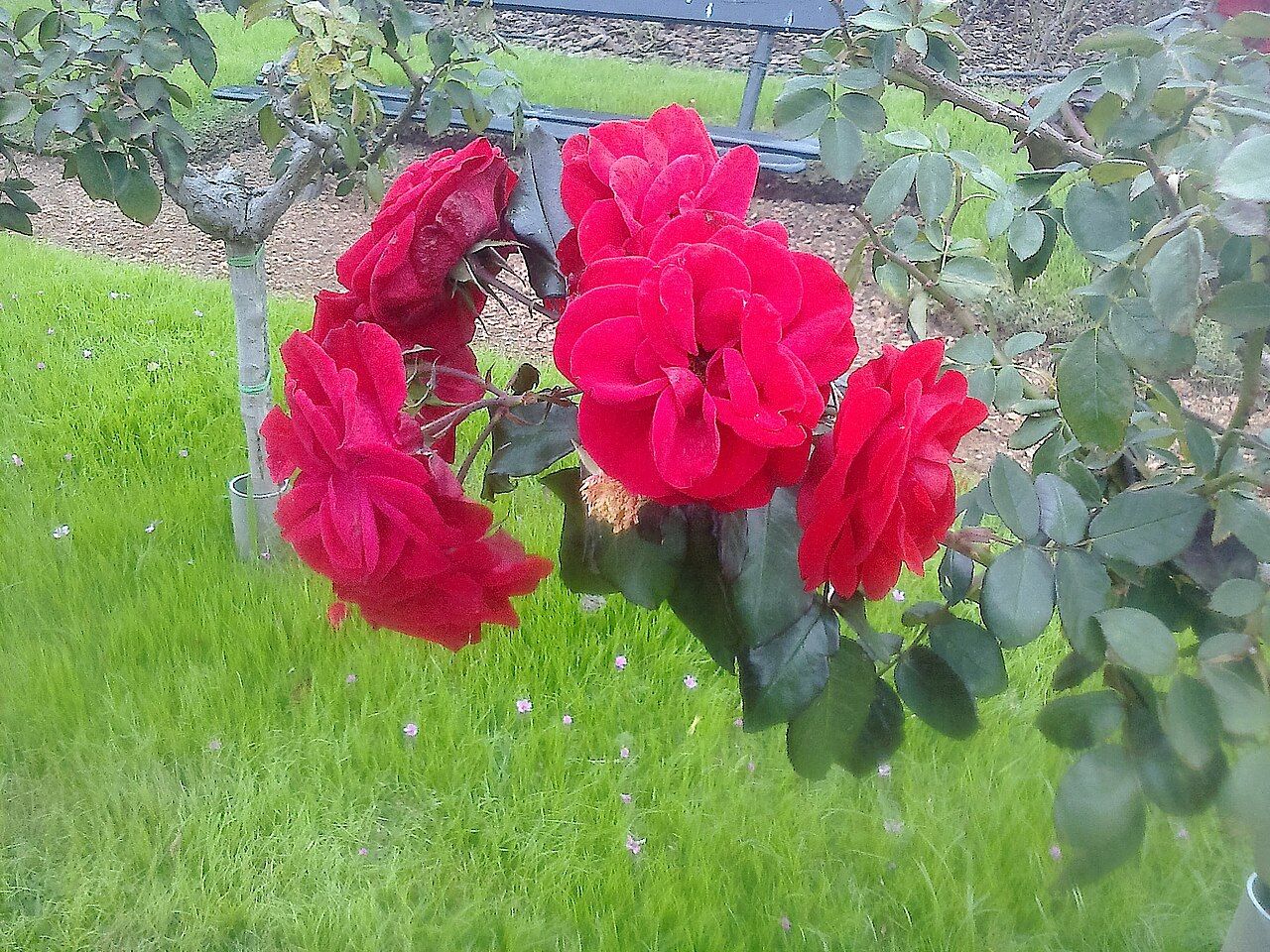 Photo by GehennaSora / CC BY-SA source file
By afternoon, I’d shift the day towards Recoleta. Recoleta Cemetery opened in 1822 and holds the tomb of Eva Perón. It’s a place with a plain, significant fact at its centre; I’d go with enough time to take that in, rather than setting myself another deadline. Recoleta’s name turns up again at the Museo Nacional de Bellas Artes, so the neighbourhood gives the afternoon a natural thread.
The Museo Nacional de Bellas Artes holds a large public collection of Argentine and European art. That’s a good counterweight to the open air earlier: paintings instead of rose bushes, and a collection broad enough to make the visit feel like more than an add-on. I’d leave the rest of the afternoon loose. There’s no prize for making a free day resemble a match schedule.
A free day here needs no grand plan; it needs room between the appetite and the next match.
A free day here needs no grand plan; it needs room between the appetite and the next match.
There’s a useful bit of timing to hold on to as the day turns towards dinner. Dinner in Buenos Aires usually starts late, often after 9 pm. I’m fond of a city that doesn’t ask supper to arrive before the day’s ready for it. So I’d make the evening the main event, not squeeze it in as a final errand after a full itinerary.
And what to eat? Asado: beef grilled slowly over wood or charcoal on a parrilla, the centre of Argentine eating. That’s the meal I’d choose for the evening, with no need to make it complicated. Malbec, Argentina’s best-known red grape, is grown mostly in Mendoza. Even just knowing where it comes from adds a little geography to the glass.
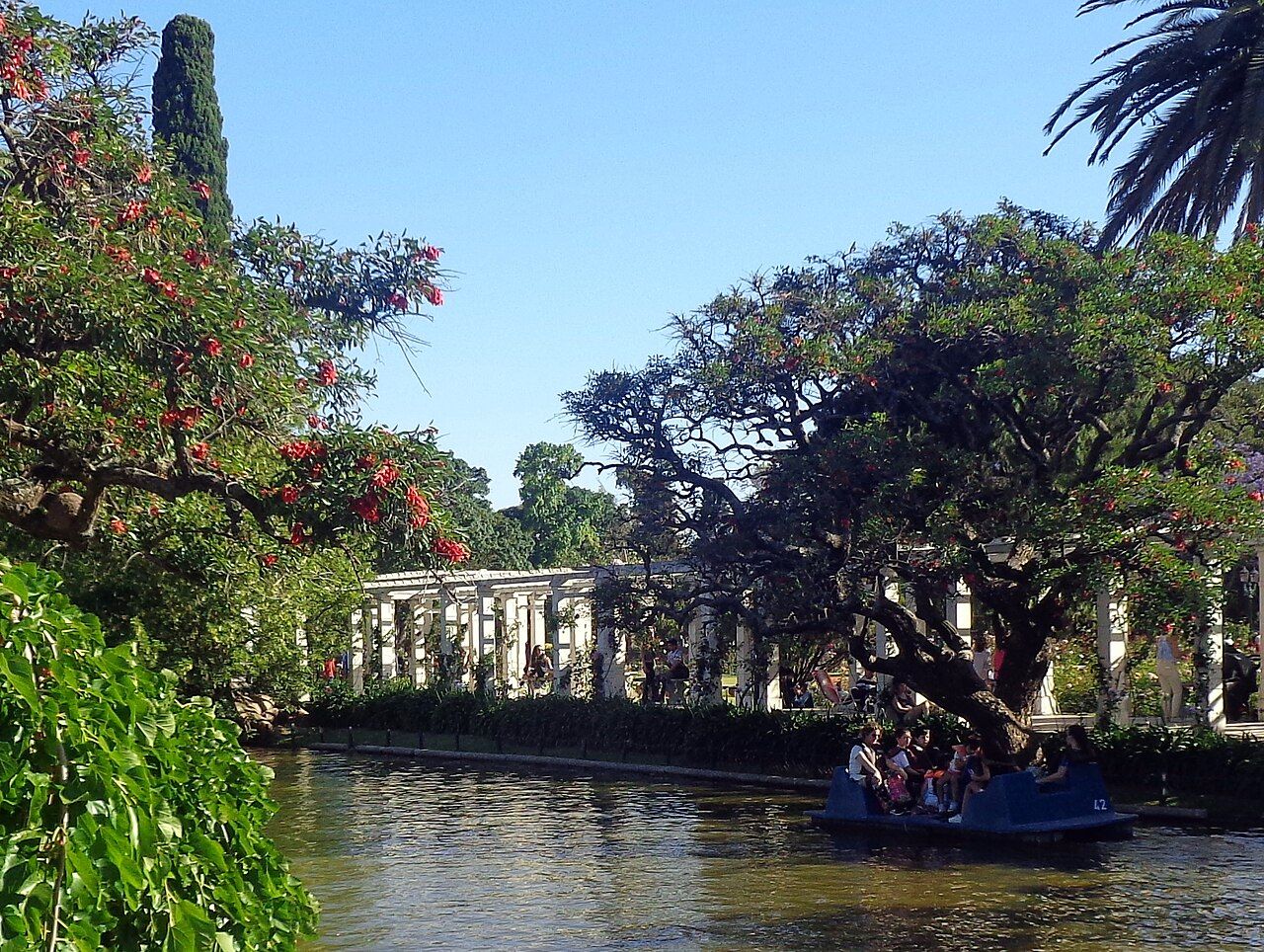 Photo by Roberto Fiadone / CC BY-SA source file
There’s room for something sweet after, too. Dulce de leche is a caramel made by slowly heating milk and sugar, and the usual filling of alfajores. I’m very easily won over by a good sweet ending, particularly when dinner’s begun late and there’s no reason to rush the last part of it. Simple pleasures; reliable company.
Tango belongs in the day’s orbit as well. It developed in the late 1800s in the port neighbourhoods of Buenos Aires and Montevideo, and UNESCO listed it as intangible heritage in 2009. I’d leave the evening open to that thought: tango is part of the city’s story, not a box to tick between dinner and bed. There’s plenty in that history to carry into the night.
So that’s the shape of it: Palermo in the morning, Recoleta in the afternoon, and dinner after 9 pm, with asado and alfajores doing the serious work at the table. A free day doesn’t have to compete with the polo. It can be its own good thing.
Buenos Aires is at its best for me when the day has room for roses and a late dinner.
Love,
Cal
— Cal
Photographs used: Banfield / PD source file; Richard Humphrey / CC BY-SA source file; Simon Burchell / CC BY-SA source file