San Antonio de Areco: myth and fact in gaucho country
A November festival, an old bridge and the gaucho traditions of San Antonio de Areco: a day out among the horse culture that feeds Argentine polo.
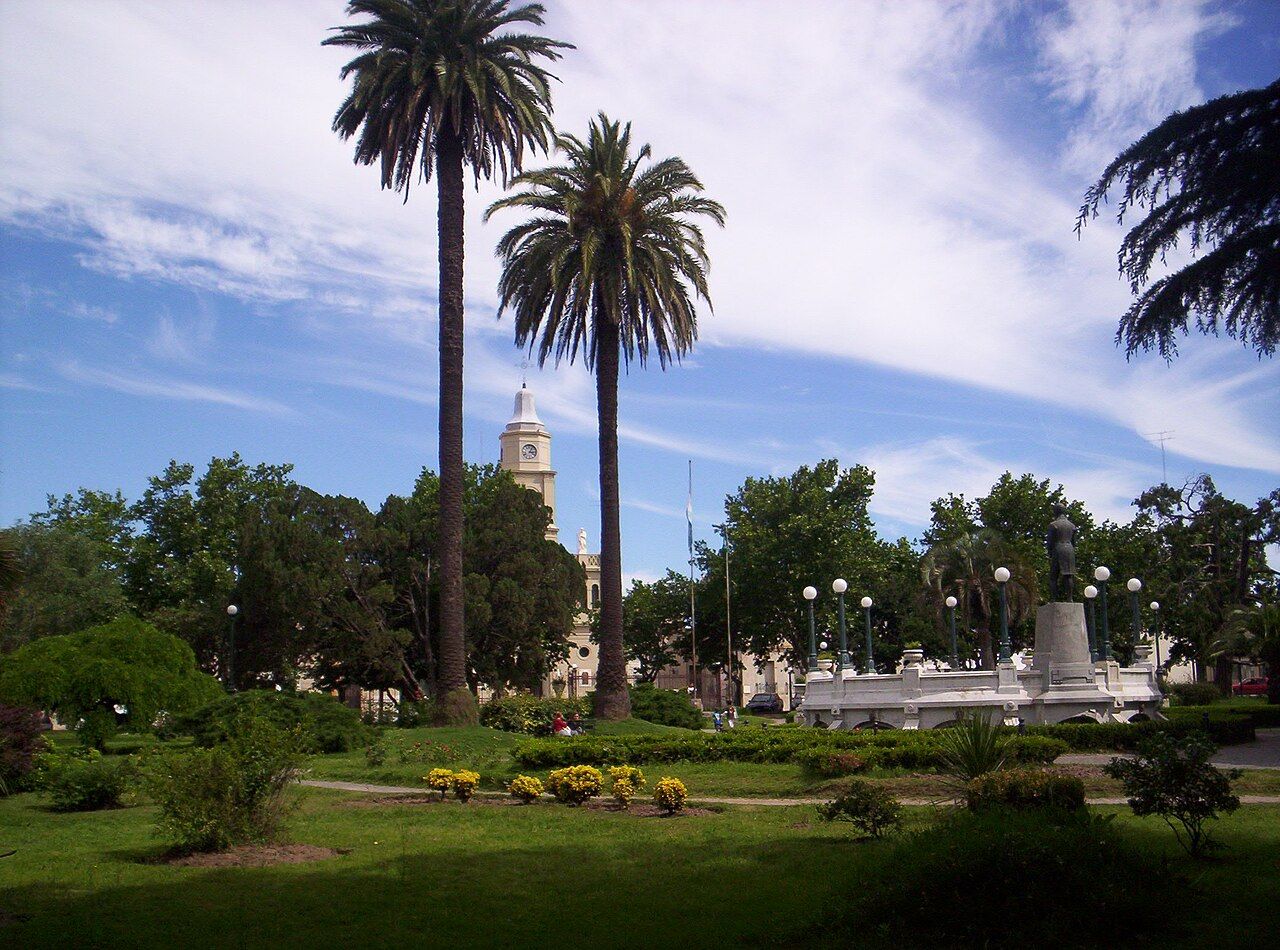 Photo by Banfield / PD source file
110 kilometres northwest of the capital, San Antonio de Areco makes a day out from the polo with a different sort of horse country in view.
Dear mate,
It’s tempting to arrive with a ready-made picture of a gaucho town. I’d rather take the assumptions apart and let the place speak through what’s actually here.
Is it only a festival town?
Myth: The whole story is the November celebration.
Fact: The Fiesta de la Tradición is a major expression of gaucho culture, with parades and horsemanship, but San Antonio de Areco is known more broadly as a centre of gaucho tradition, silverwork and leather craft. The festival gives those traditions a public stage; the town’s identity isn’t confined to the event.
That distinction matters to me. A parade can be a fine way to see horsemanship, but the craft belongs in the picture too. Silverwork and leather craft make the gaucho story tangible in a different way from a horse moving past. There’s a link here to the gauchos' hardy horses, and to the horse culture that feeds Argentine polo.
Does gaucho tradition begin and end with horses?
Myth: The horse is the whole definition.
Fact: It’s central to the Fiesta de la Tradición, whose parades and horsemanship celebrate gaucho culture. But the familiar outfit has its own unmistakable details: gauchos traditionally wear bombachas, wide trousers gathered at the ankle, and carry a facón, a long knife.
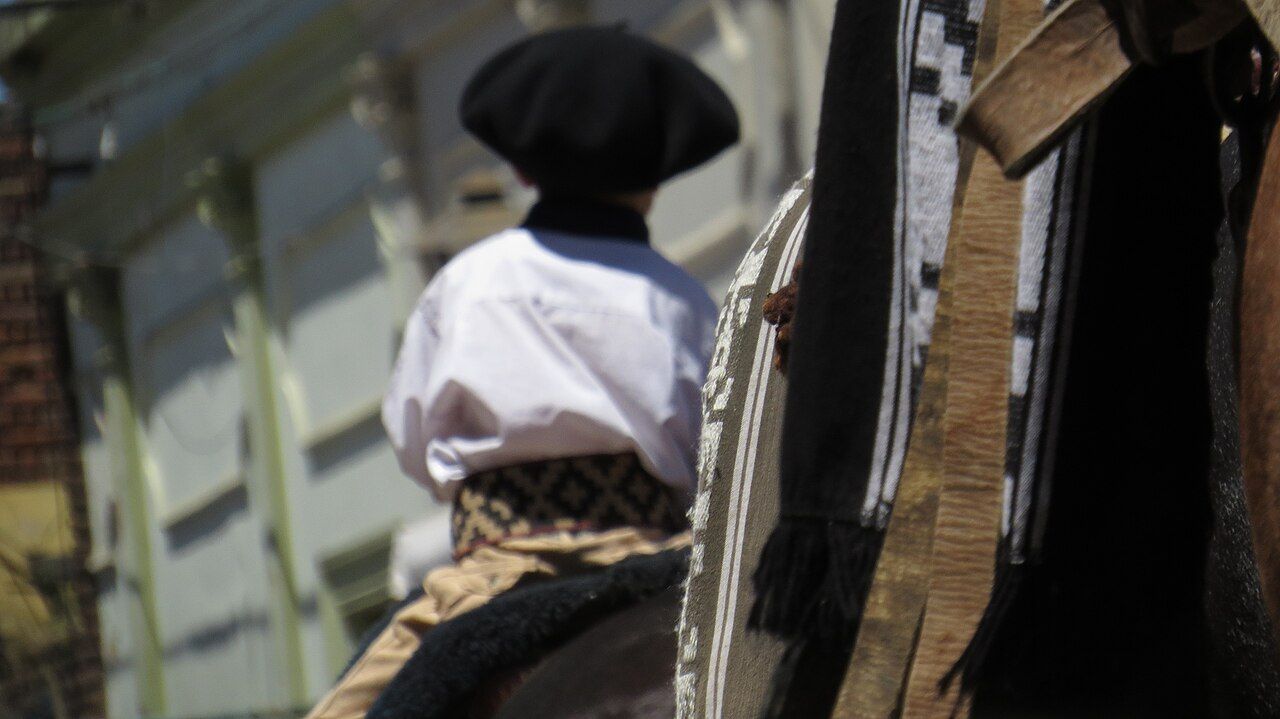 Photo by AnselmoesMaciel / CC BY-SA source file
Those details keep the idea from turning into a vague costume. The wide trousers and the long knife are specific, named parts of a tradition. And the horse isn’t only there to complete a picture. For polo, that connection is the point of coming out this way: to look towards the culture around horses that feeds the game.
Is the old centre just a backdrop?
Myth: The town’s past is something to admire from a distance.
Fact: Around Plaza Ruiz de Arellano, the old centre has low colonial-style houses and cobbled streets. Near the centre, the Puente Viejo crosses the Areco River. These are not abstract references to history but places that give the town’s character a shape: houses, streets, a river crossing.
The Museo Gauchesco Ricardo Güiraldes adds another strand. It honours the author of the 1926 gaucho novel Don Segundo Sombra. That sits alongside the Fiesta de la Tradición, not in place of it: a town can honour gaucho culture through literature as well as through horsemanship and craft.
Is November just a convenient date?
Myth: The festival happens in November for no particular reason.
Fact: The Fiesta de la Tradición is held each November, and November 10 is Argentina’s Day of Tradition. It marks the birth of José Hernández, author of the gaucho epic Martín Fierro. So the month carries a meaning beyond the festival calendar.
That’s the useful shape of a day out here: a November celebration with parades and horsemanship, set against a town known for its gaucho traditions, silverwork and leather craft. The old bridge, the museum and the streets around Plaza Ruiz de Arellano give the story other places to settle. My favourite part is that the horse culture doesn’t have to be explained away from polo; it’s right there in the reason for coming.
Yours, Cal
— Cal
Photographs used: Richard Humphrey / CC BY-SA source file; Simon Burchell / CC BY-SA source file