Pilar and the polo country of Buenos Aires province
A morning-to-late-afternoon letter from Pilar, through the seasons of Argentine polo and on to the basilica town of Luján.
Two seasons, dear friend, shape a visit to Pilar: autumn and spring, with a quieter winter between them. I’d keep that rhythm in mind from the start. This is countryside northwest of Buenos Aires where polo is bred, trained and played, and the season decides which part of that story is in view.
Morning
Pilar is a partido of Buenos Aires province, about 50 kilometres northwest of the city centre. The Panamericana highway links it with central Buenos Aires, so the road outward is part of the picture: city behind, open country ahead. Around Pilar and neighbouring General Rodríguez is one of the densest clusters of polo fields in the world. Not a lone field to tick off, then, but a whole patch of country shaped around the game.
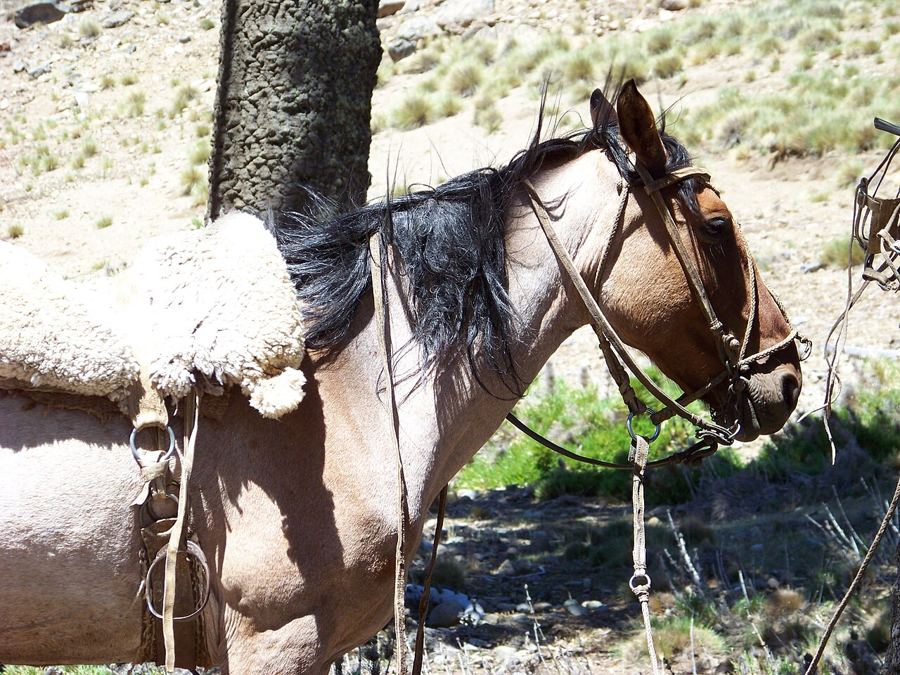
The pampas here are flat and fertile, a plain suited to horse breeding. Many estancias in Buenos Aires province have bred polo ponies for generations. That’s the bit I’d hold onto while travelling through the area. The fields matter, of course, but so does the breeding that sits behind the match; the land and the sport belong in the same sentence.
There’s a good deal to take in without trying to turn the morning into a checklist. Keep Pilar as the centre of the day, and let the surrounding polo country do the talking. If the comparison is useful, think of a gaucho town further out as another point on the map, rather than a reason to hurry away from this one.
Midday
Argentine polo has two main seasons. Autumn runs from about March to May; spring, the high-goal season, runs from September to December. Those are the fuller chapters for polo here. The spring stretch carries the high-goal game, while autumn gives the year its other main season. I wouldn’t treat the two as interchangeable; the calendar changes the feel of a polo-country itinerary, even when the map stays put.
Winter, from June to August, is the quiet time for Argentine polo. Many professionals play in England or elsewhere then. That doesn’t alter the country around Pilar: the flat pampas, the breeding tradition, the fields. But it does change what the season offers, and it’s worth knowing before building a day around polo. I’ve always liked a clear calendar more than a grand promise.
Spring high goal brings the wider Argentine polo calendar into the conversation.
Late afternoon
For a side trip, Luján lies a short drive west of Pilar. The Luján River flows through the partido of Pilar, and the town of Luján is home to the Basilica of Our Lady of Luján, a pilgrimage church built between 1887 and 1935. A different kind of destination from the polo fields, and a sensible change of subject for the later part of the day.
I like that contrast. The countryside’s polo story is bound up with horses, breeding and the seasons; Luján brings the basilica and its pilgrimage to the itinerary. No need to pretend they’re the same sort of stop. Let the morning belong to the land around Pilar, keep the polo calendar in view at midday, then head west for Luján.
The useful facts sit neatly at the edge of the letter: Pilar is about 50 kilometres northwest of Buenos Aires city centre, the Panamericana links the two, and Luján is a short drive west of Pilar. Polo’s main seasons are March to May and September to December; winter, June to August, is quiet. That’s enough to give the day its shape.
Yours, Cal. My favourite journeys leave room for both the horses and the basilica.
— Cal
Photographs used: Daniel Sapag / PD source file; ElGuruCesar / CC BY-SA source file; Banfield / PD source file